


By Matt Krupnick/ProPublica
(This story was originally published by ProPublica.)
The Trump administration has proposed cutting funding for tribal colleges and universities by nearly 90 percent, a move that would likely shut down most or all of the institutions created to serve students disadvantaged by the nation’s historic mistreatment of Indigenous communities.
The proposal is included in the budget request from the Department of the Interior to Congress, which was released publicly in June. The document mentions only the two federally controlled tribal colleges — Haskell Indian Nations University and Southwestern Indian Polytechnic Institute — but notes the request for postsecondary programs will drop from more than $182 million this year to just over $22 million for 2026.
If Congress supports the administration’s proposal, it would devastate the nation’s 37 tribal colleges and universities, said Ahniwake Rose, president and CEO of the American Indian Higher Education Consortium, which represents the colleges in Washington, D.C.
“The numbers that are being proposed would close the tribal colleges,” Rose told ProPublica. “They would not be able to sustain.”
ProPublica found last year that Congress was underfunding tribal colleges by a quarter-billion dollars per year. The Bureau of Indian Education, tasked with requesting funding for the institutions, had never asked lawmakers to fully fund the institutions at the levels called for in the law, ProPublica found.
But rather than remedy the problem, the Trump administration’s budget would devastate the colleges, tribal education leaders said.
The Bureau of Indian Education, which administers federal funding for tribal colleges, and the Department of the Interior, the bureau’s parent agency, declined to answer questions.
Rose said she and other college leaders had not been warned of the proposed cuts nor consulted during the budgeting process. Federal officials had not reached out to the colleges at the time of this writing.
The proposal comes as the Trump administration has outlined a host of funding cuts related to the federal government’s trust and treaty obligations to tribes. The Coalition for Tribal Sovereignty said in May that the administration’s proposed discretionary spending for the benefit of Native Americans would fall to its lowest point in more than 15 years, which it viewed as “an effort to permanently impact trust and treaty obligations to Tribal Nations.”
underway challenging the proposed cuts, arguing they violate treaty obligations and were made without tribal consultation.
Congress passed legislation in 1978 committing to fund the tribal college system and promising inflation-adjusted appropriations based on the number of students enrolled in federally recognized tribes. But those appropriations have consistently lagged far behind inflation.
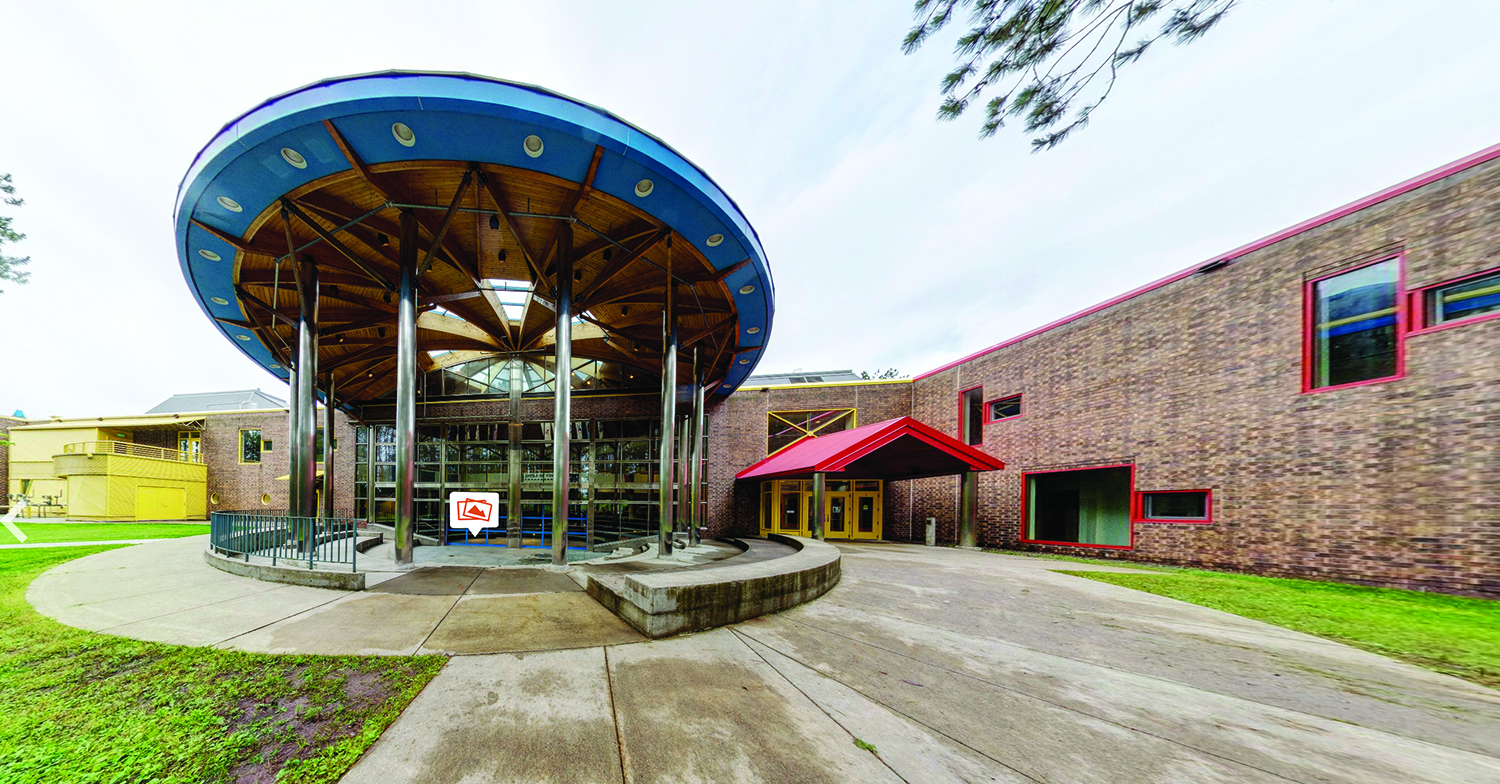
The colleges have managed, despite the meager funds, to preserve Indigenous languages, conduct high-level research and train local residents in nursing, meat processing and other professions and trades. But with virtually no money available for infrastructure or construction, the schools have been forced to navigate broken water pipes, sewage leaks, crumbling roofs and other problems that have compounded the financial shortcomings.
Tribal college leaders said they were stunned by the proposed cuts to their already insufficient funding and had more questions than answers.
“I’m shivering in my boots,” said Manoj Patil, president of Little Priest Tribal College in Nebraska. “This would basically be a knife in the chest. It’s a dagger, and I don’t know how we can survive these types of cuts.”
Congress will have the final say on the budget, noted Rep. Teresa Leger Fernández, the ranking Democrat on the House Subcommittee on Indian and Insular Affairs, whose New Mexico district includes three tribal colleges. Tribal colleges “are lifelines in Indian Country,” Leger Fernández said in a statement. “They provide higher education rooted in language, culture and community. These cuts would rob Native students of opportunity and violate our trust responsibilities.”
Other members of the House and Senate Indian Affairs committees did not immediately respond to questions from ProPublica. The White House also did not respond to a request for more information.
The budget release was the latest in a string of bad financial news for tribal colleges since Donald Trump began his second term. The administration suspended Department of Agriculture grants that funded scholarships and research, and tribal college presidents spent the past week trying to fend off deep cuts to the Pell Grant program for low-income students. The vast majority of tribal college students rely on Pell funding to attend school.
Tribal colleges contend their funding is protected by treaties and the federal trust responsibility, a legal obligation requiring the United States to protect Indigenous education, resources, rights and assets. And they note that the institutions are economic engines in some of North America’s poorest areas, providing jobs, training and social services in often remote locations.
“It doesn’t make sense for them to (approve the cuts) when they’re relying on us to train the workforce,” said Dawn Frank, president of Oglala Lakota College in South Dakota. “We’re really relying on our senators and representatives to live up to their treaty and trust obligation.”
But others noted they have spent years meeting with federal representatives to emphasize the importance of tribal colleges to their communities and have been disappointed by the chronic underfunding.
“It is a bit disheartening to feel like our voice is not being heard,” said Chris Caldwell, president of College of Menominee Nation in Wisconsin. “They don’t hear our message.”