

By Dan Gunderson/ MPR News
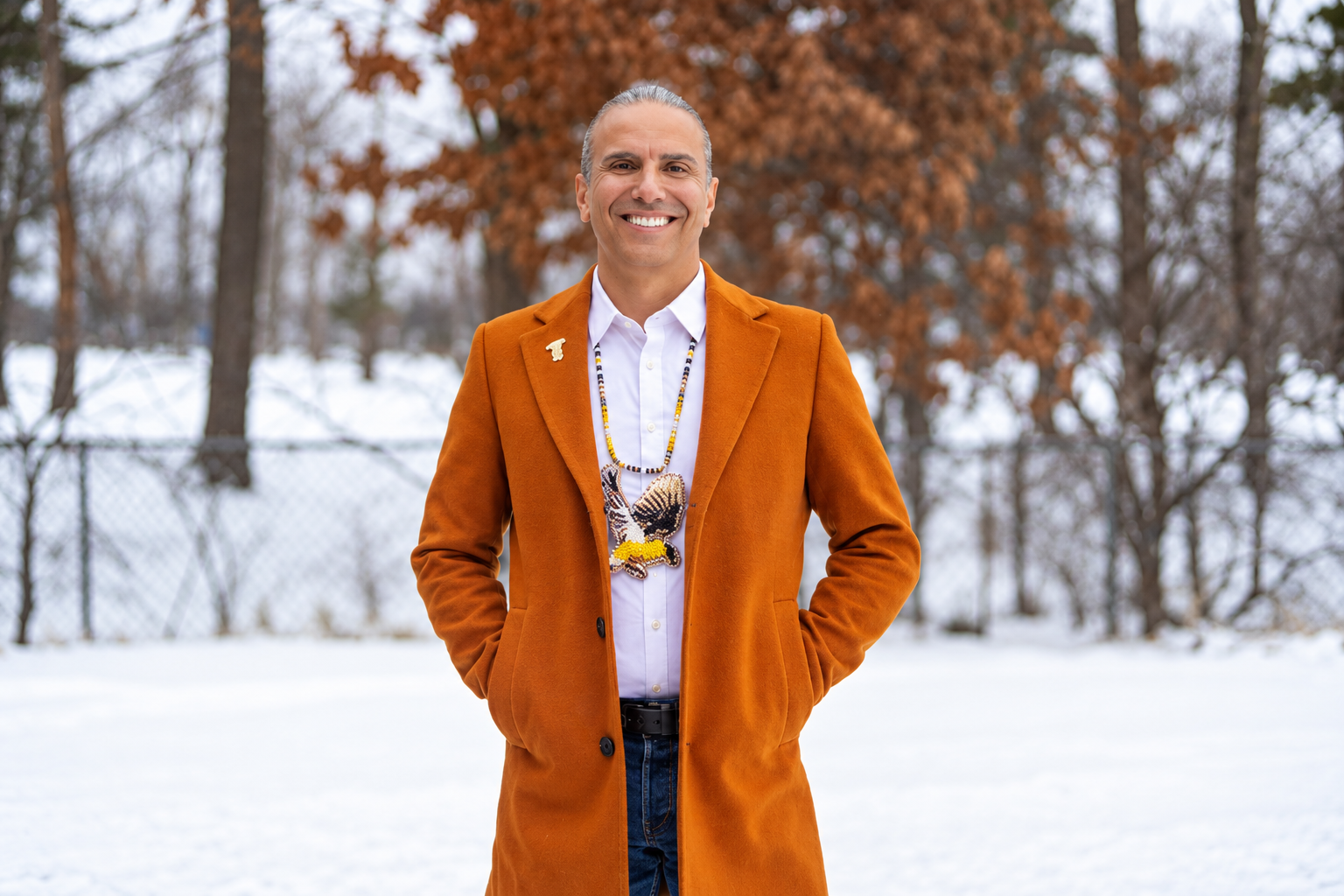
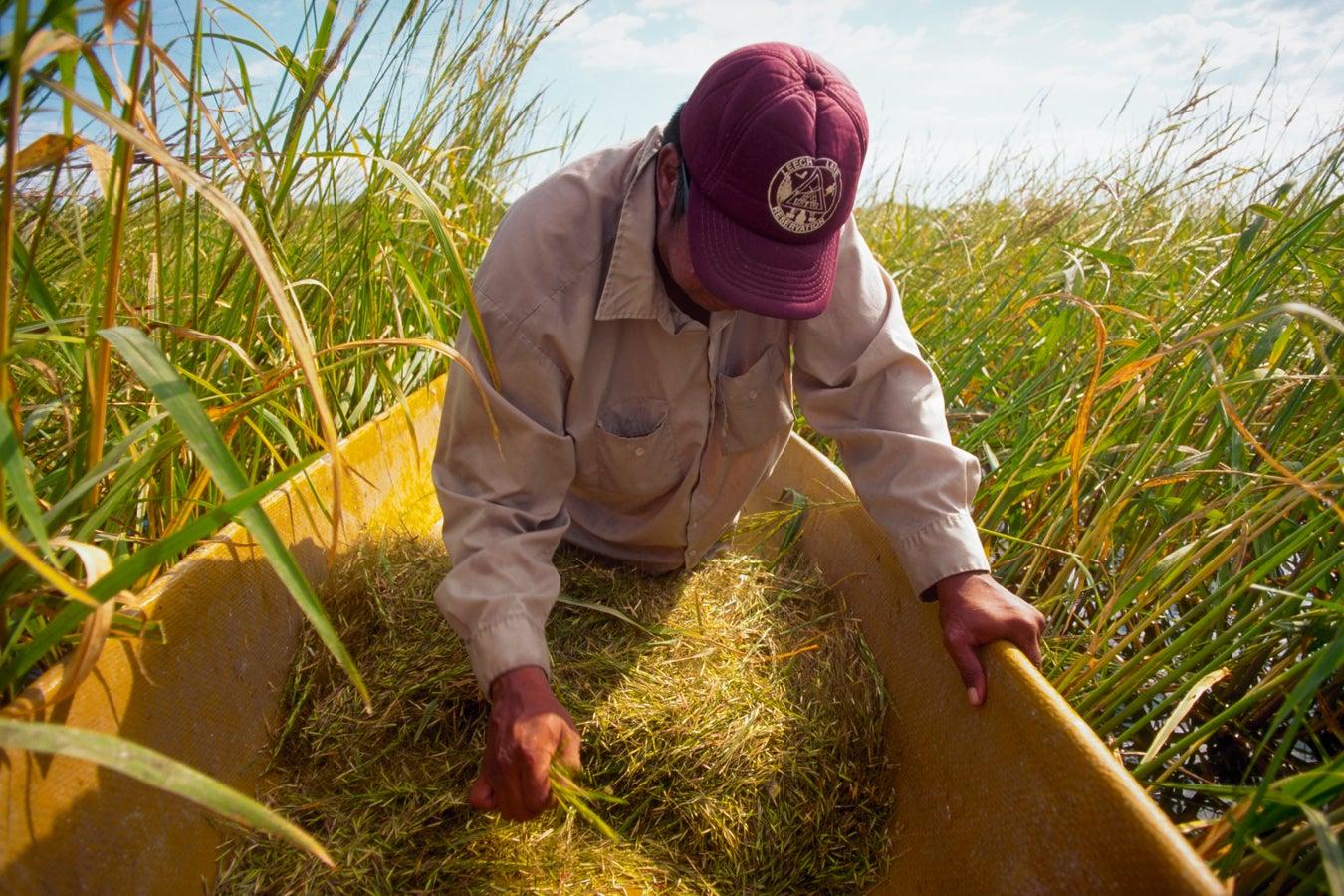
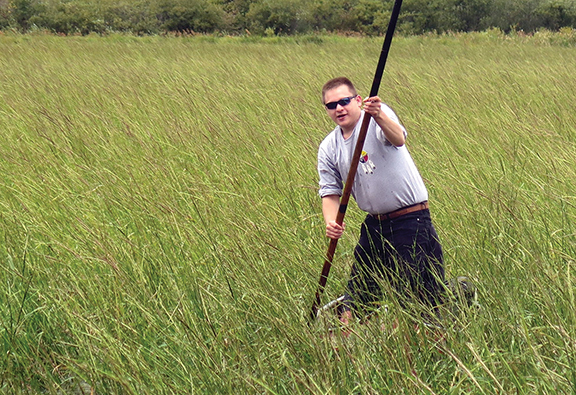
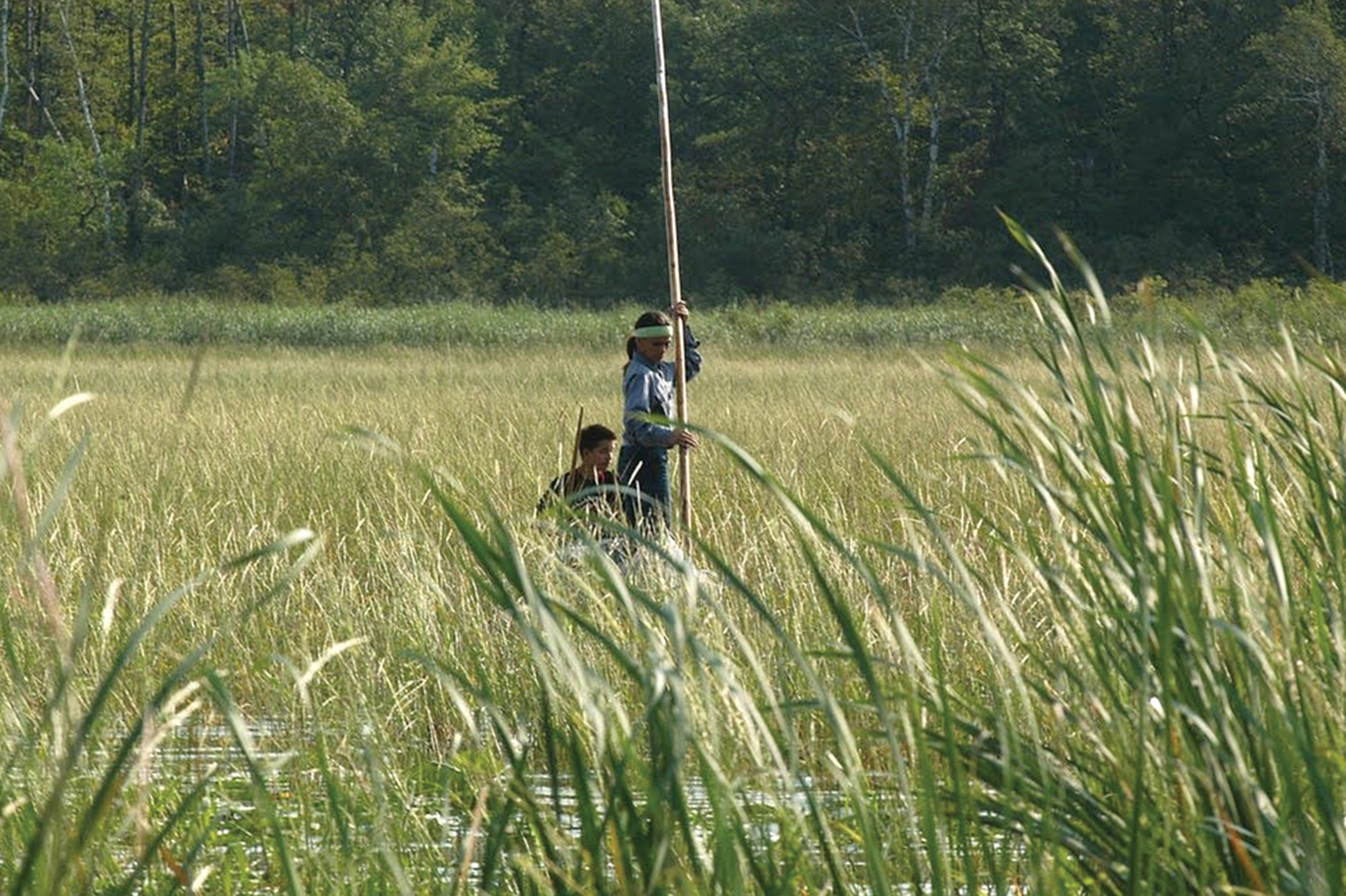
Dale Greene grew up in north-central Minnesota, surrounded by wild rice, called manoomin in the Ojibwe language. The Leech Lake Band of Ojibwe member says wild rice is an important part of Anishinaabe history and culture.
“One of the things that I think is really important in understanding manoomin, and its importance to us today, is understanding that there’s a creation story,” said Greene.
The story recounts how Ojibwe people migrated to Minnesota from the East Coast to fulfill a prophecy that they would find food growing on the water. That food was manoomin, or the “good berry,” and it sustained generations of Ojibwe.
“It’s the the reason that we’re still here. It’s much more than just a plant,” said Greene.
In 2018, the White Earth Band of Ojibwe formally recognized the rights of wild rice, setting the stage for the current lawsuit against the DNR.
The suit in tribal court against the Minnesota Department of Natural Resources contends a water use permit for the Enbridge Energy Line 3 pipeline puts wild rice at risk.
The White Earth case is thought to be the first to be brought before a tribal court. The DNR responded by challenging the tribal court’s jurisdiction in a federal court filing. There’s a hearing in that case in September.
The DNR said it is “committed to ensuring the complaints are addressed in the appropriate legal venue” but would not comment on the specifics of the case.
The 1855 Treaty Authority, consisting of several Ojibwe Bands, also recognized the rights of wild rice. Greene is a member of the Treaty Authority Board. He’s also listed as an expert witness in the White Earth lawsuit.
It’s logical to give rights to plants, animals and the natural world, said Greene, because the Ojibwe world view holds that everything in nature is a spiritual being, and there is an acknowledged relationship with humans.
“I sometimes call it a covenant,” he said. “They’re providing life to us. It just makes perfect sense that it’s a living, providing, spiritual being, in the form of water or food.”
In 2016, the Ho-Chunk Nation in Wisconsin adopted a resolution that said ecosystems have inherent rights including the “right to exist and thrive.”
In 2018, the Ponca Tribe of Oklahoma approved a law granting broad rights to nature, including the right “to a climate that is habitable, supports life, sustains culture, and is not disrupted by humans.”
At least three other tribal nations have since adopted some form of rights of nature laws.
A few communities across the country from Florida to California to Colorado have also given rights to waterways and ecosystems.
Recognizing the rights of nature is a relatively new movement. In South America, Ecuador ratified a rights of nature constitutional amendment in 2008.
Bolivia and Uganda passed laws defining the rights of nature. But the movement has gained traction more slowly in the United States.
“The movement really is pretty young compared to other rights-based movements, so I imagine in the coming years we’ll see more enforcement in the courts,” said Grant Wilson executive director with the Colorado-based Earth Law Center. “In the United States we’re starting to see this in a few cases, including in this current case involving wild rice.”
Wilson has worked on a number of rights of nature cases. He said the idea represents a significant shift for traditional U.S. law under which nature is considered property, without rights afforded to people.
“The grassroots effort towards the rights of nature is changing paradigms, is changing people’s understanding of our relationship to nature, and I hope will soon result in some very powerful legal victories in the courts,” said Wilson.
Those victories might be difficult to achieve since federal and state laws often preempt local rights of nature laws.
Wilson is hopeful tribal nations will have more success enforcing those laws because they are sovereign nations, and less subject to state or federal preemption.
He said many in the movement are closely watching the White Earth case.
“I think a success there would also empower other tribes and communities and governments to advance rights of nature cases in other court systems as well, which would really be a boon to the movement.”
The courts aren’t the only avenue for recognizing the rights of nature, said Wilson who sees a nascent movement in several states to enshrine the rights of nature in the state constitution.
He predicts that in 10 years the rights of nature will become a mainstream idea, both socially and legally.
Minnesota Public Radio News can be heard on MPR’s statewide radio network or online.