

By Lee Egerstrom
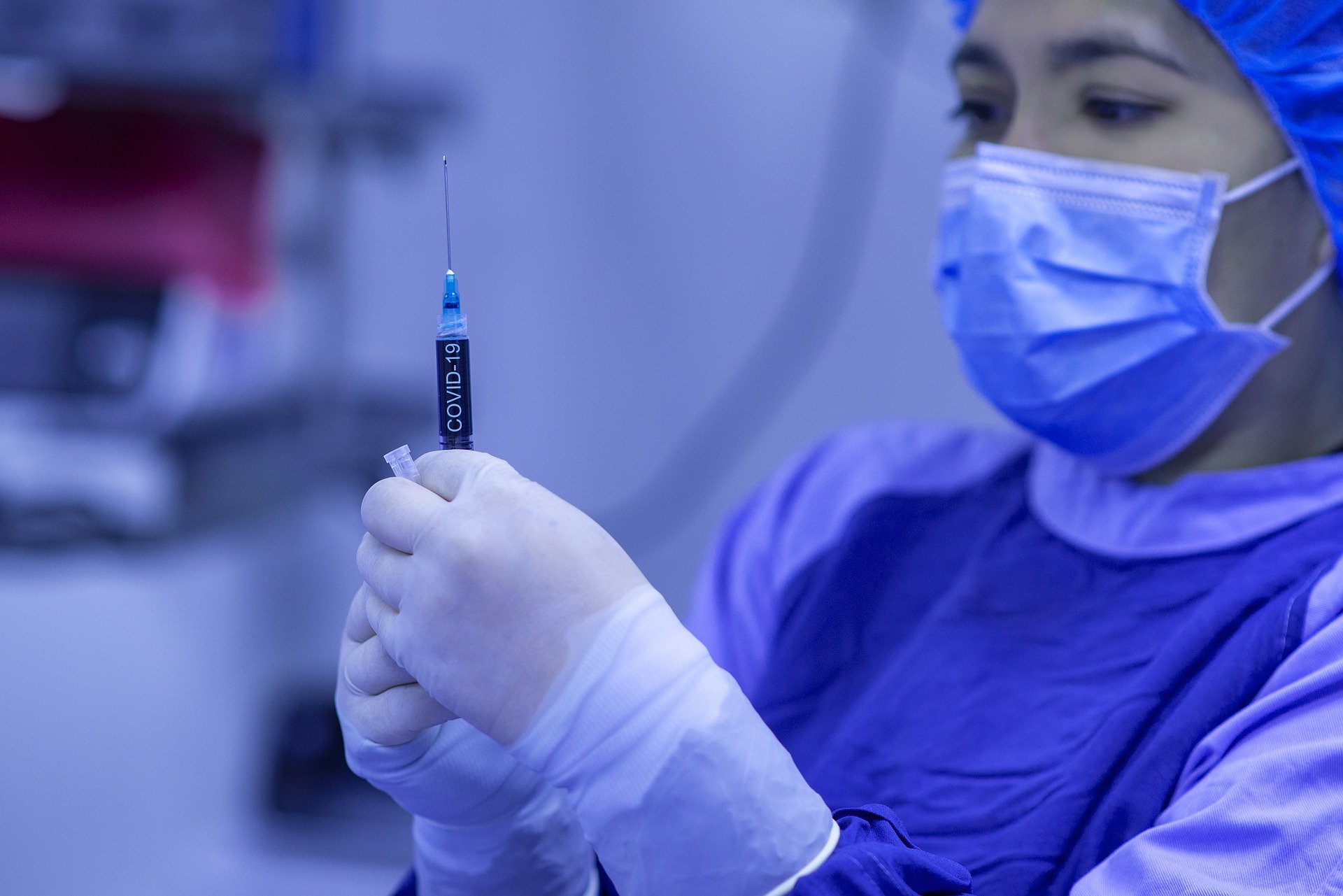
The long-awaited COVID-19 vaccines are now reaching the states, Minnesota included; but the grass may again be green before most Native Minnesotans and state citizens will get a poke in the arm.
The first 3,000 doses of the Pfizer-BioNTech vaccine arrived in the Twin Cities on Monday, Dec. 14. State health officials said vaccinations would begin within 24 to 48 hours.
Another shipment from the Moderna pharmaceutical company was expected to arrive on Wednesday.
Under federal guidelines and plans adopted by Minnesota health officials, the first doses will go to health care personnel and long-term care residents who are especially vulnerable to the pandemic virus. Gov. Tim Walz and the Minnesota Department of Health have dubbed them group 1A.
Group 1B will include other essential workers, such law enforcement officers and others in workplaces that must be in contact with the general public. Seniors, or elders, and people with medical conditions who are at risk of serious complications from the virus, make up a group called 1C who will be treated when sufficient supplies arrive.
This comes as Minnesota approaches the 400,000 mark of coronavirus cases and next door Wisconsin was approaching 500,000 cases. Minnesota had 4,444 deaths from the virus through the second week of December and Wisconsin had 4,329 deaths.
Minnesota had 439 people die in the past week, up from 399 people in the first week of December.
The pace of new infections was slowing in Minnesota at the midway point of December. While that was a relief for health workers, it was tempered by the fact supplies of new vaccines for the majority of state citizens may still be months away.
The Centers for Disease Control and Prevention (CDC) projects it may be springtime before ample vaccine supplies are available for the general public. The most optimistic projections call for getting most Americans inoculated by the end of February.
How fast and widespread delivery of vaccines will be accomplished was still a question heading into the third week of the month. The World Health Organization reported there are 52 COVID-19 vaccines underway in human trials and another 162 vaccines in what WHO called “preclinical development.”
Meanwhile, health experts warn Native American and other communities of color are especially susceptible to the virus given problems in delivering health care services to these communities and from the amount of pre-existing health conditions that add to the risk.
Current and earlier research by health professionals found that Minnesota Native Americans are not being infected at rates as high as in other states. Yet, Minnesota’s Native population is still at nearly twice the risk of dying from the disease and its complication as is the white population.
A CDC study in September found Native deaths in Minnesota were twice that of the white population, and especially cited the homeless Native population.
A more recent CDC study, reported on by U.S. News and World Report on Dec. 10, looked at cases and deaths in 14 states that account for about half the total Native American and Alaskan Native population. It found that Native communities had about 2,700 deaths as of Dec. 2.
The age-adjusted COVID-19-associated mortality rate among AI/AN people was 55.8 deaths per 100,000, or 1.8 times higher than the rate of 30.3 deaths per 100,000 among whites. For Native people in the 20 to 29 year-old, 30 to 39 year-old, and 40 to 49 year-old age brackets, mortality rates were 10.5, 11.6, and 8.2 times those among whites.
Minnesota state, local and tribal programs are cited as doing a better job than in most states in holding back the pandemic within Native populations. But such acknowledgement is grasping at straws given the challenge of the cold weather months ahead and the wait for widespread use of vaccines still ahead.
This word of caution comes from a Minnesota Department of Health (MDH) website that explains the plans and steps health professionals are taking in getting the vaccines to the public.
“Once one or more vaccines are approved, it will still take time before everyone can get it,” MDH said. “We need to vaccinate hundreds of millions of people in the United States alone, so it will be a long process to make, distribute, and give that many doses of vaccine.”
First doses will be given to people working in health care settings and people who live in long-term care facilities. Others to get early vaccines are first responders, essential workers, adults with high-risk medical conditions and older adults.
MDH has a COVID-19 vaccine allocation advisory group to help develop the strategic plan. The advisory group has external partners representing key populations in the state such as local public health, long-term care, pharmacy partners and diverse communities.
Important information on COVID-19 and the vaccines can be found at https://www.health.state.mn.us/diseases/coronavirus/index.html,
at https://www.health.state.mn.us/diseases/coronavirus/vaccine.html;
Background information on COVID-19 in Minnesota’s Native community can be found at https://www.usnews.com/news/healthiest-communities/articles/2020-10-07/a-state-by-state-analysis-of-the-impact-of-covid-19-on-native-americans,