
After over two years of controversy, compromise, and research, the City of Rochester and the Rochester Park and Recreation Department have recognized Indian Heights Park as a Dakota burial site. The first record of the burial sites in the city archives dates to the 1850s, but the area has long held importance for Native peoples.
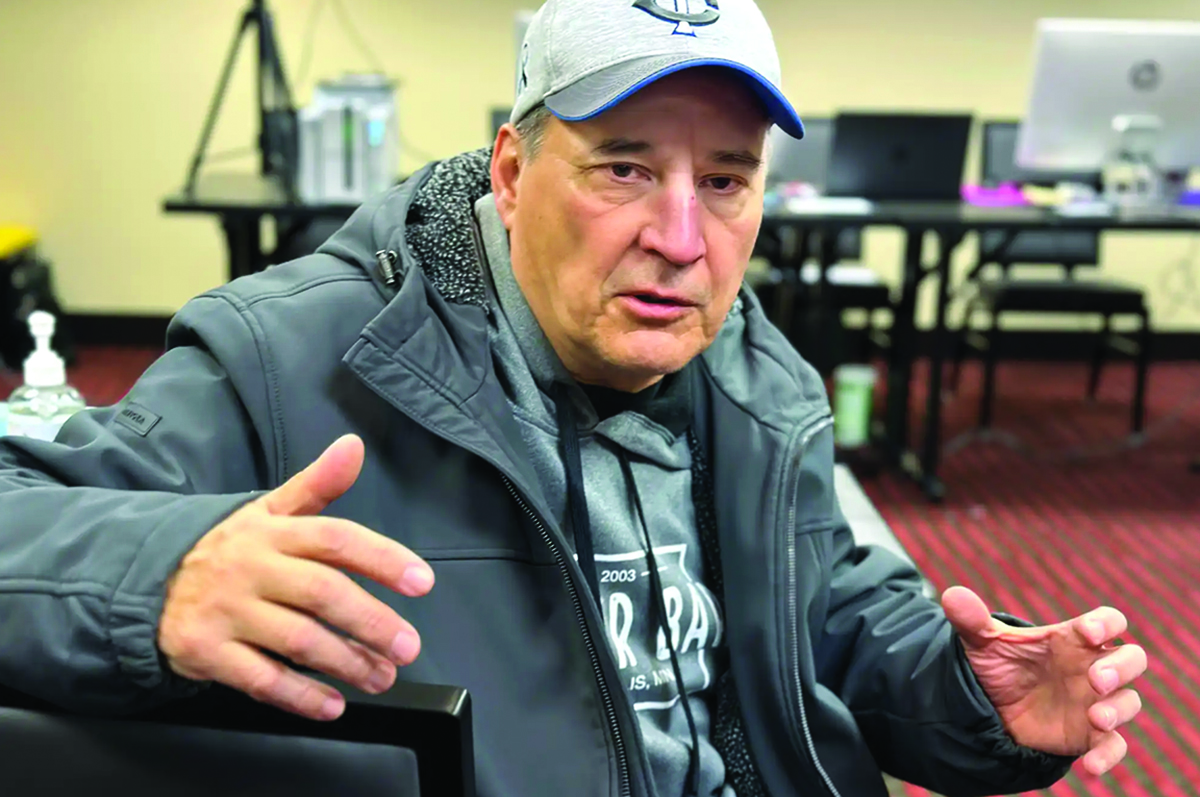
"This is where the ancestors chose to place their dead," said Jim Wilson, Chairman of the Native American Center of Southeast Minnesota. "It’s been a spiritual place for thousands of years, and should remain so."
The 36.4 acres of land that now comprise Indian Heights Park was initially the site of a rock quarry. The land was purchased by the City of Rochester in 1973 with the intention that it would be preserved as a natural wildlife area.
"With 5,000 total acres of more developed park land in the city, we feel it is important to preserve this one percent of land for a particular cultural purpose," said Mike Nigbur, Park and Forestry Division Head.
The debate over Indian Heights Park began when the Rochester Active Sports Club (RASC) proposed creating mountain biking trails in October 2009. The Park Board initially approved the proposal, pending an analysis of the environmental damage the trails could cause. Once residents of the neighborhood surrounding the park learned of the approved plan, they stepped forward to express their concerns and formed the grassroots organization Friends of Indian Heights (FOIH).
"Our goal was to preserve nature in what we considered to be a hostile takeover of a green space," said Mitch Moore, a member of the interim Board of Directors of FOIH.
The Park Board created a steering committee in October 2010 to define the park’s purpose, investigate its history, and create a plan for how the area should be used. The committee included members of the Native American community, FOIH, the Park Board, and RASC. As they documented the history of the park and performed environmental impact analyses, the committee also worked with archeologists, the Minnesota Conservation Corps, Dakota tribe members, and Park Forestry and Audubon employees.
In October 2011, the steering committee presented a list of recommendations to the Park Board commissioners, all of which were approved in November 2011. The recommendations included: restoring definitive park boundaries, conducting ethnographic research, prohibiting bicycle use, developing educational resources at the park’s entrance, reestablishing indigenous oak savannah, and investigating options for further protecting the burial sites as historical and cultural landmarks.
"In deference to the area being a burial site, it became difficult to rationalize how you would continue to use part of the park for recreation," said Jeff Robertson, a RASC director who served on the steering committee.
Although the committee’s recommendations have been approved, funding for all the projects has not been secured. FOIH and the Native American Center of Southeast Minnesota plan to independently seek out state, federal and private grants. The Park Board has already begun the process of delineating the park’s boundaries and enforcing the policy banning bicycles from the area. FOIH spearheads ecological preservation projects and has already begun the ten-year process of restoring oak savannah in the area. The Native American Center of Southeast Minnesota leads cultural recognition projects and will create a ceremonial area near the burial sites. FOIH and the Native American Center of Southeast Minnesota will collaborate on public education efforts regarding the history of the park. Wilson and Moore have contacted tribes in the area who may have a connection to the burial sites, but so far have not heard from any tribal leaders about future collaborations.
Despite the headway made by the Rochester community to protect and honor the Dakota burial grounds, they are currently protected solely by the City of Rochester and not by any state or federal legislation. One barrier to registering the area under such acts is that physical evidence is often necessary. The burial sites have been desecrated by settlers and disturbed by the quarry. As a result, it is unlikely that human remains could be recovered. In addition to such logistical concerns, Native American community members feel that further disruption of the gravesites would be disrespectful.
"It’s like Ground Zero of 9/11," said Moore. "We may never find actual human remains there, but that doesn’t make the place any less sacred."