
By Lee Egerstrom
A federal scientific panel formulating guidelines for nutrition programs for the next five years has reached out to include American Indian and Alaska Native voices in shaping those recommendations.
Under law since 1980, the U.S. Department of Agriculture (USDA) and the Department of Health and Human Services (HHS) must conduct a periodic review. This is to provide nutrition guidelines for federal food programs such as Supplemental Nutrition Assistance Program (SNAP), formerly known as Food Stamps, and the Food Distribution Program on Indian Reservations (FDPIR).
Leading health and nutrition experts have served on the Dietary Guidelines Advisory Committee over the years. But this past year, on the current committee, a Native American is actually among the nationally recognized health and nutrition experts reviewing drafts and recommendations for the final report.
That person is Dr. Valarie Blue Bird Jernigan, a member of the Choctaw Nation and director of the Center for Indigenous Health Research and Policy at Oklahoma State University. While serving on the current dietary guidelines committee, she is also on another group examining how health care disparities have changed over the last 20 years.
A lot of similar work has been done by health and Native American groups within states that have large American Indian and Alaska Native populations, including here in Minnesota. But her appointment to the dietary guidelines committee “is a game-changer,” said Carly Griffith Hotvedt, (Cherokee Nation), executive director of the Indigenous Food and Agriculture Initiative housed at the University of Arkansas Law School.
“Until Dr. Jernigan, no one on the advisory committee has had a deep familiarity with Indigenous nutrition science or the nutrition-influenced pubic health-related impacts to Tribal communities,” Hotvedt said.
Guideline copies have bene circulated. Final responses and suggestions are due by Feb. 10. A final report and guidelines will be released later this year.
It is a continuation of gradual by steady growing awareness within government units and by health groups about unique and logical aspects of food availability and nutritional value.
USDA does handle most food related programs. Other studies show about 25 percent of American Indians and Alaska Natives receive SNAP food services and more under various programs and treaty obligations.
The Indian Health Service (IHS) has helpful nutrition information for Native Americans on its Internet website for various subjects including Produce Prescription Programs, Food Sovereignty, Food and Nutrition Security. Nutrition in Life’s Vital Stages, Division of Diabetes Treatment and Prevention, and Special Diabetes Program for Indians.
HIS has programs helping Native Americans reconnect with their historic foods are building all across America, privately and with government support. It explained why:
“Tribal food sovereignty represents the right of Tribal Nations to control their food systems, including the cultivation, harvesting, production, and distribution of food. When colonial settlers arrived and forcibly relocated Tribes from their ancestral lands, these traditional food systems were severely disrupted. Additionally, policies aimed at acculturation further impacted the availability of ancestral foods, contributing to today’s challenges in accessing healthy, affordable food.”
Resources identified as helping the federal departments include the Montana-based Indigikitchn (https://www.indigikitchen.com/), the Montana Indian Nations Plant Guide, and the Alaska Native Tribal Health Consortium that has a “Store Outside Your Door” site (https://www.anthc.org/what-we-do/traditional-foods-and-nutrition/store-outside-your-door/).
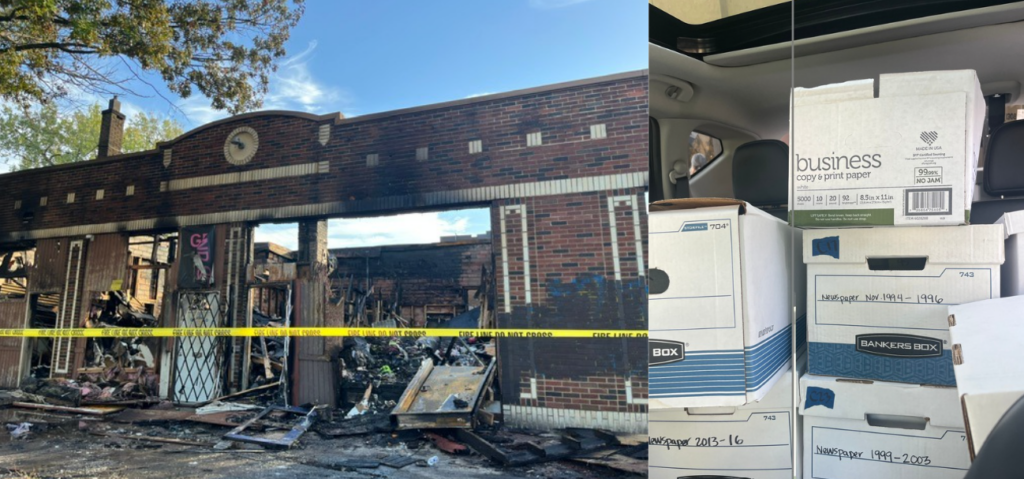
A fourth “resource” is well known in Minnesota. It is the North American Traditional Indigenous Food Systems (NATIFS) and its Indigenous Food Lab. (See accompanying article about NATIFS purchase of Co-op Creamery Building.)
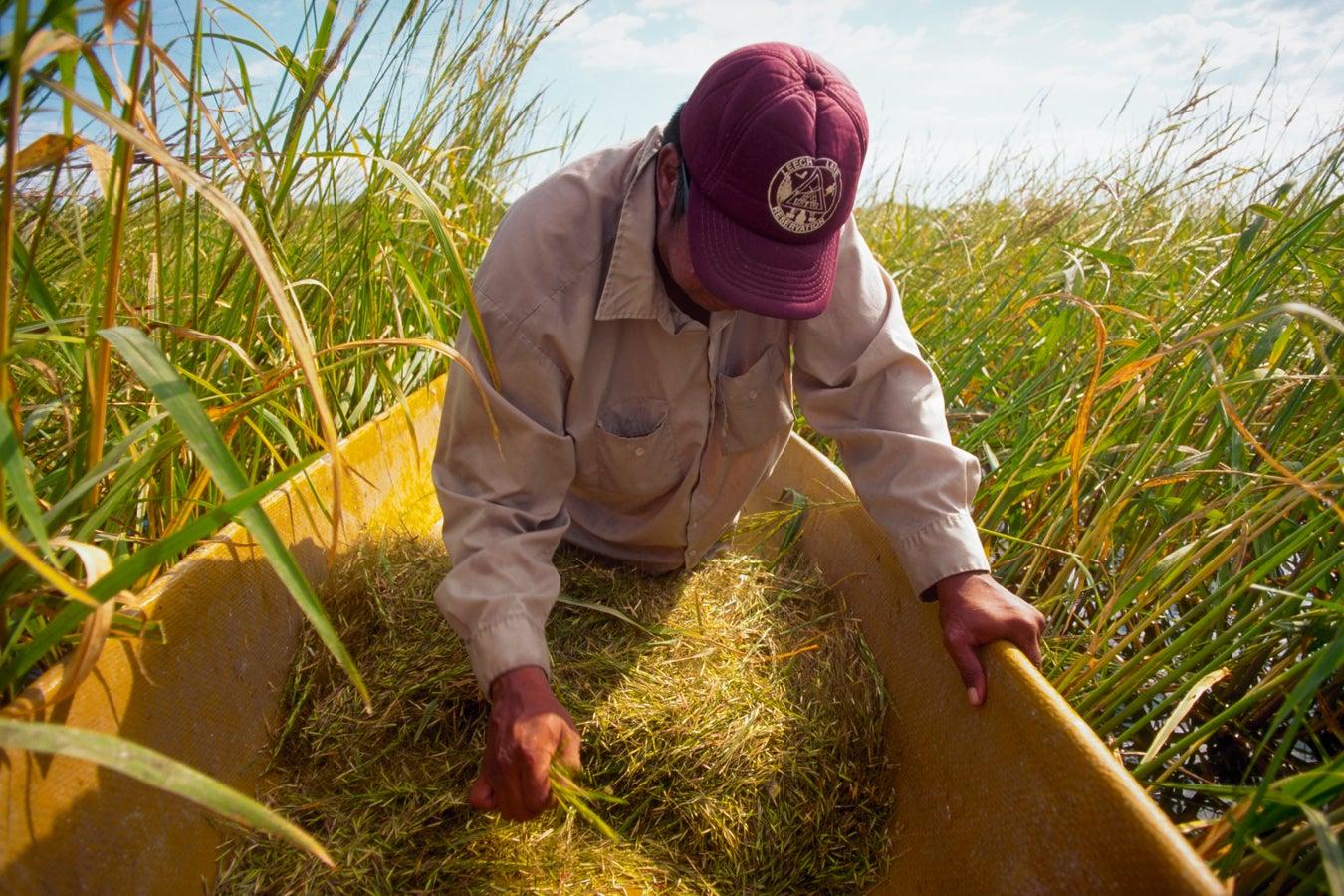
NATIFS works with USDA’s Indigenous Food Sovereignty Initiative and with chefs from across the country to develop recipes and cooking videos on use of Indigenous and locally forageable foods to make healthier meals.
Not all such efforts are focused directly on tribal communities. A leading example of that is the Indigenous Food Network (IFN), with partners primarily in the Twin Cities, working on tribal sovereign food systems for the urban Indian population.
It explains its mission is to “rebuild sovereign food systems within the intertribal Native communities through collaboration,” and its mission is to “rebuild sovereign food systems within the intertribal Native communities through collaboration.”
With Minneapolis-based Dream of Wild Health and its farm in suburban Hugo, the IFN does reflect the wide Native diversity within Minnesota urban communities.
The IFN states, “We are creating a Naive American urban model for food sovereignty.”
It has “partners” to form a model for Minnesota and or urban dwelling Native Americans everywhere. They include: American Indian Community Housing Organization (AICHO), Duluth; American Indian Family Center, St. Paul; Ain Dah Yung Center, St. Paul; Department of Indian Work, Maplewood. And in Minneapolis: Anishinabe Academy, Bdote Learning Center, Division of Indian Work, Dream of Wild Health, East Phillips Neighborhood Institute, Four Sisters Farmers Market at NACDI, Mpls-Indian Health Board, Indigenous Food Lab (NATIFS), and Little Earth United Tribes.