


By Lee Egerstrom
Environmental groups and people possibly affected should the new Enbridge Energy Line 3 pipeline across northern Minnesota be abandoned are asking neighbors to express their concerns to the Minnesota Public Utilities Commission (PUC) by a May 19 deadline.
The group, formed as Minnesotans for Pipeline Cleanup, specifically wants Minnesota authorities to set up a trust fund similar to a $1.3 billion (US) decommissioning fund established in Canada to cover abandonment costs along the Canadian side of the border for the Enbridge pipeline.
This has never been done in the United States. “This would be new ground for Minnesota and the US,” said Paul Blackburn, a Minneapolis attorney representing the Calloway-based Honor the Earth organization, noting that such backup funds are in place for other potential costly energy project abandonments such as oil wells and nuclear power plants.
The new Line 3 runs 337 miles across Northern Minnesota, sometimes on and other times near Minnesota’s northern tribal nations and their lands. It brings oil from Alberta province to Superior, Wis.
There may be as many as 1,000 individual landowners along that route in addition to tribes, a spokesman for Minnesotans for Pipeline Cleanup said. The group fears that many are unaware of PUC’s call for comments or that the deadline is fast approaching.
“There are no working models for what PUC is looking at,” Blackburn said. But what is known, he added, is that cleanup and abandoned pipeline removal costs can be as great as “building the line in the first place.”
The PUC called for public comments late last year for how much funding the Canadian energy company Enbridge should have set aside for a possible pipeline abandonment. This process is called Docket CN-21-823.
Some landowners, however, doubt word of this procedure reached all potentially affected or that anyone knows what costs may pass down to their property if the pipeline is abandoned.
In filings with the federal government, Blackburn said, Enbridge acknowledged it could close the line in as short as 20 years.
“The risks, and costs, could be substantial,” Blackburn said in a statement for the group. Abandoning the 36-inch pipeline could cause sinkholes, road collapses, water drainage problems, soil erosion and residential contamination, he said.
Dave Douglas, a landowner at Carlton near the Fond du Lac reservation, said if there isn’t a large enough trust fund created in Minnesota, ultimate costs could be huge for the state, counties, cities and landowners “when Enbridge walks away.”
“Landowners, not Enbridge, should have final say in what happens on their land after abandonment,” he said.
Tribes also have a stake even when the new Line 3 doesn’t cross tribal land, said Joe Plumer, tribal attorney for the Red Lake Nation.
“It crosses the ceded lands from our treaties,” he said. “We have gathering rights on those lands.”
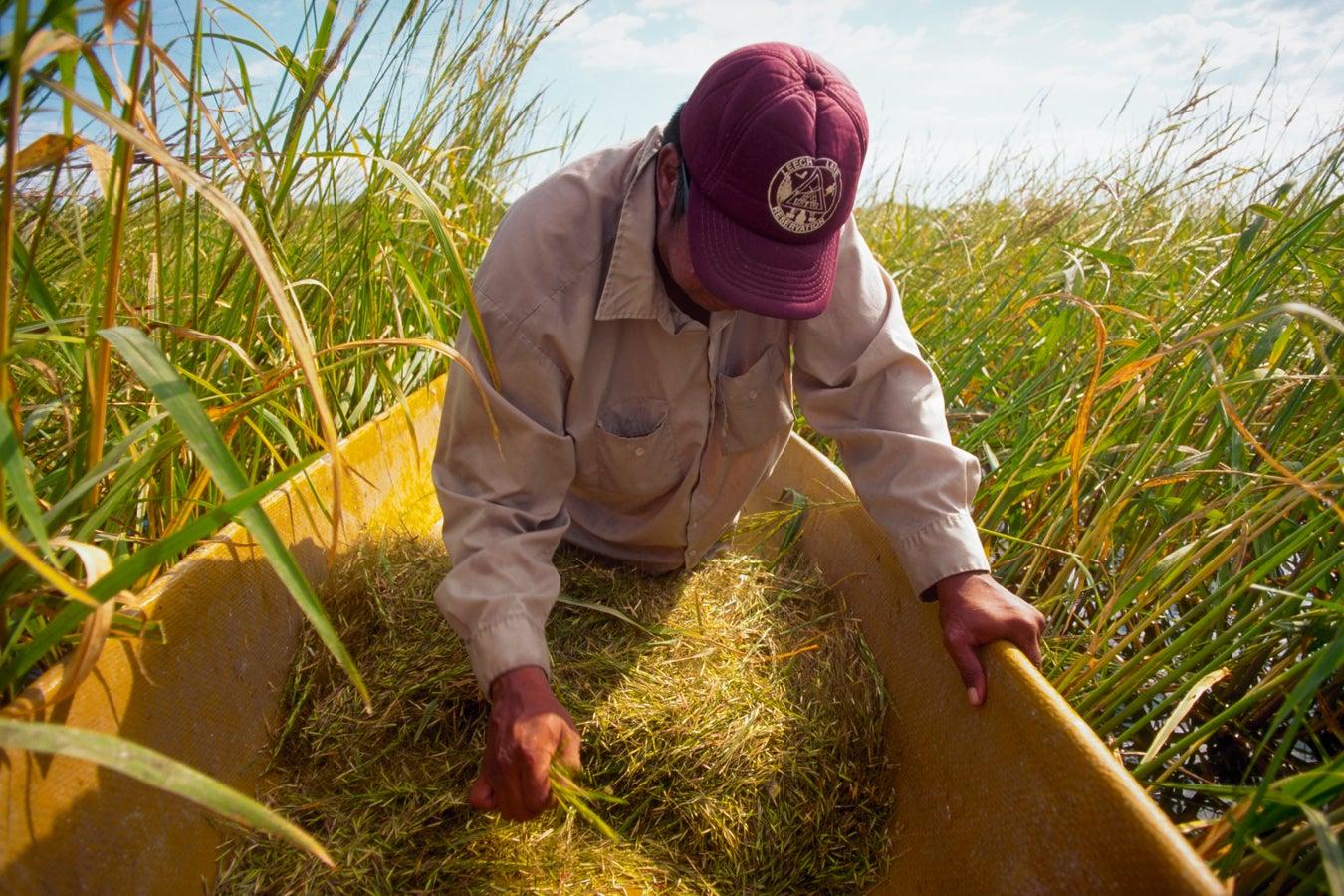
That means Red Lake and other Ojibwe citizens in the affected area have various hunting, fishing and wild rice rights in those lands and waters.
That natural bounty is threatened by the pipeline and its eventual abandonment, he said. “That’s why we’ve been opposing this project all along.”
Minnesotans for Pipeline Cleanup said people wanting to comment to the PUC must include docket number (21-823). It can be filed online to www.mn.gov/ouc/consumers/public-comments or by email at publicadvisor.puc@state.mn.us.
Comments may also be mailed to Public Advisor, Minnesota Public Utilities Commission, 121 7th Place East, Suite 350, St. Paul, MN 55101.