
Medicaid changes are raising concerns about long-term financial pressure on Tribal health organizations, even as Minnesota begins distributing millions of dollars through a new federal program to transform rural health care.
The federal Rural Health Transformation Program (RHTP), created in 2025, will provide up to $50 billion to states over five years from 2026 through 2030. Minnesota received approximately $193.1 million for the program’s first budget period.
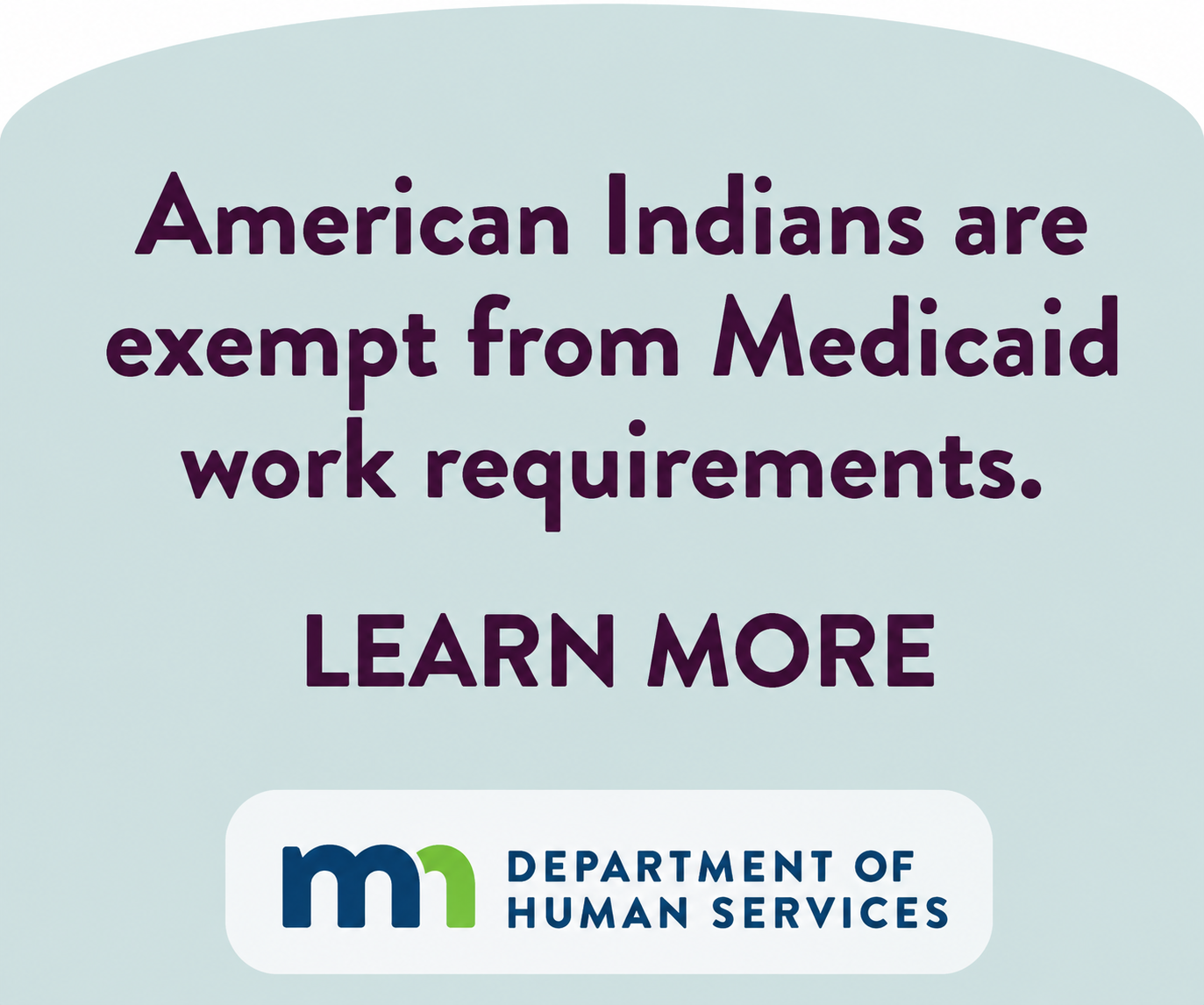
The funding arrives alongside broader federal Medicaid changes expected to reduce coverage and increase financial pressures on health care providers. While American Indians and Alaska Natives are exempt from the law’s new Medicaid work requirements, other Medicaid financing and eligibility changes could still affect Tribal health organizations and the patients they serve.
For Tribal health organizations, Medicaid reimbursements are an important revenue source that helps support services for Native patients. Coverage losses or disruptions can therefore affect both patients and the organizations providing their care.
Minnesota’s RHTP implementation is already underway. The Minnesota Department of Health allocated 2% of the state’s first-year award to 10 eligible rural Tribal Nations through formula-based, noncompetitive grants. The state has also rolled out numerous additional funding opportunities during 2026 addressing areas such as telehealth, behavioral health, workforce development, technology, and access to care.
Several of those programs have included Tribal Nations, Tribal health organizations, Urban Indian health programs, or Tribal clinical settings among eligible participants.
The new investments could help Native health systems expand services and strengthen rural health infrastructure, but the funding is time-limited. RHTP is currently authorized through 2030, while changes to Medicaid could have longer-lasting effects on health coverage and provider finances.
That creates an uncertain outlook for Tribal health systems: new federal dollars can transform and strengthen care today, while the programs many Native patients and health providers rely on face significant changes.
How those competing forces ultimately affect access to culturally responsive health care in Minnesota’s Native communities will continue to unfold as Medicaid changes are implemented and Rural Health Transformation funding reaches communities across the state.
Sources: