

DFLGOTV_WebBanner_1800x150px

MIWRC opens 24 supportive housing units in Minneapolis

Staff Reporter
Share :
Facebook
X
DFLGOTV_WebBanner_1800x150px

By The Circle

The Minnesota Indian Women’s Resource Center has opened 24 permanent supportive housing units in its south Minneapolis facility, welcoming residents into a new community designed to address Native homelessness.

The apartments, called Oshki-Gakeyaa — “New Way” in Ojibwe — occupy the third and fourth floors of the center. Construction began last year, and staff began moving tenants into their new homes at the end of August.

According to an article published by Minnesota Public Radio, Chief Executive Officer Ruth Buffalo said the project reflects a commitment to providing shelter and stability for Native families and individuals. “It feels good, but it’s a huge responsibility,” she said. “We want to make sure that everybody is well taken care of — the tenants, that they first and foremost feel safe and welcome but also have the support services that are needed.”
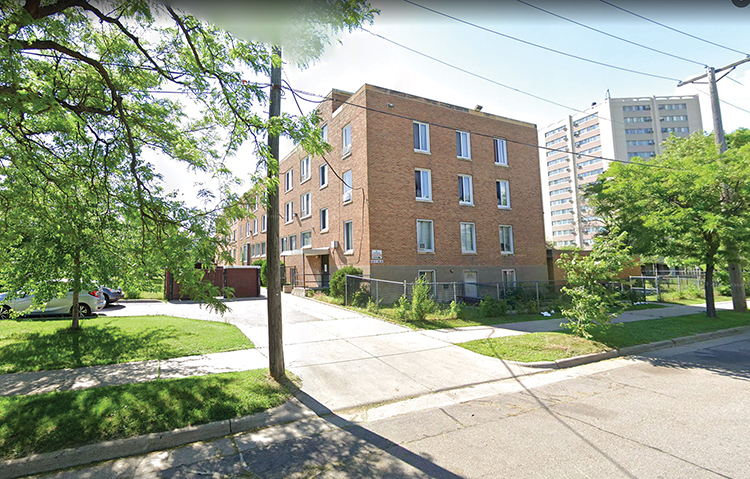
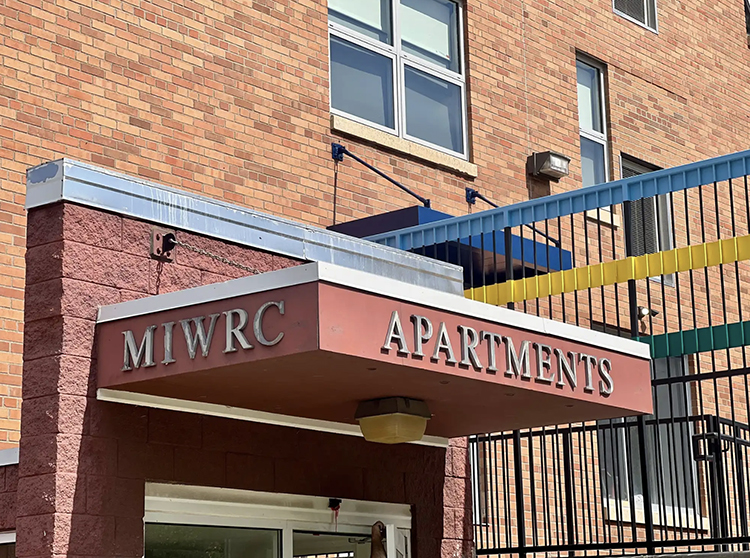
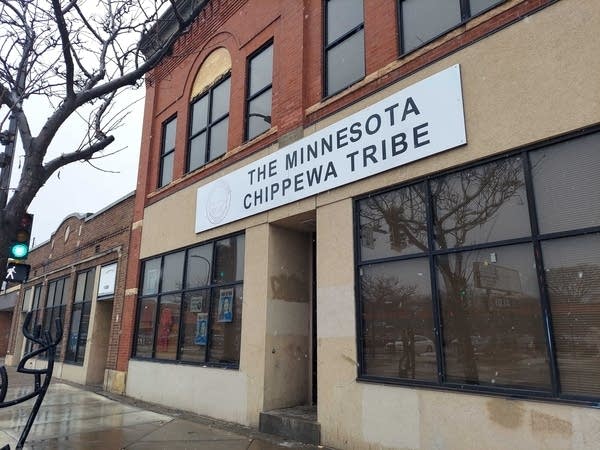
The MIWRC is in Minneapolis. Photo below by Chandra Colvin/MRP News.

The new housing is intended to respond to disparities identified in the Minnesota Homeless Study, which shows Native Americans experience homelessness at significantly higher rates than other groups. Residents at Oshki-Gakeyaa will have access to cultural events, support groups and community meals, along with other programs already offered by the center. Buffalo said the approach provides more direct support than the center’s earlier housing program, with extra attention placed on ensuring tenants can easily reach out for help.

The center held a blessing ceremony the day before move-in as staff and volunteers walked through each unit with sage, song and drumming to cleanse the space.

Buffalo described the event as a powerful moment for both staff and residents. “It was beautiful to see our younger women on staff be the helpers to the elder,” she said.

The center is partnering with Hennepin County to fill 20 of the units through a coordinated application process. Four apartments with accessibility features are being filled directly through the center. Buffalo said housing, treatment and community resources are also made available during the center’s weekly Resource Connect events.

“It’s critical that we help one another and find ways to support the relatives move from one path in their life to a healthier one,” she said.

The Minnesota Indian Women’s Resource Center expects all 24 units to be occupied by March of next year.

The Minnesota Indian Women’s Resource Center, founded in 1984, is a nonprofit dedicated to the well-being of Native women and families. The organization offers social and mental health services grounded in cultural traditions, along with programs that aim to educate, empower and connect the Native community. It also provides training and resources for those who work with Native populations across the region.
Staff Reporter,
Environment & Politics
Elaine Strongbow is a member of the Leech Lake Band of Ojibwe and has covered environmental and tribal sovereignty issues for The Circle since 2019. She is a graduate of the University of Minnesota School of Journalism and was a 2023 fellow of the Institute for Nonprofit News.

This reporting is made possible by readers like you.

The Circle is a nonprofit newsroom with no tribal affiliation, no corporate ownership, and no paywall. Independent Native journalism depends on reader support.

Advertisement

Medicaid Exemptions - MN DHS Ad 2

Recent Stories

Advertisement

Medicaid Exemptions - MN DHS Ad 2

More From Environment

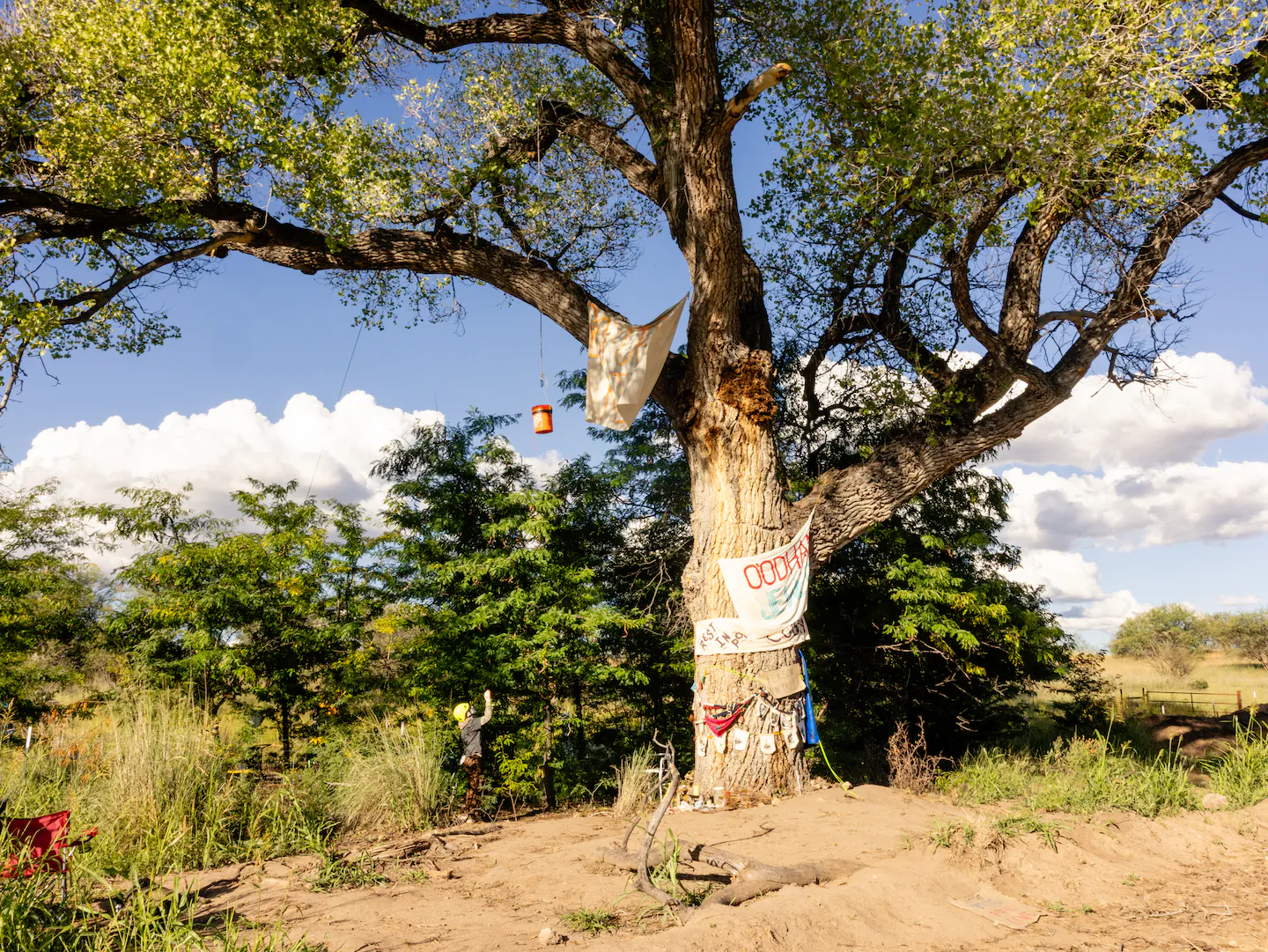
Trump Administration’s Border Wall Project Destroys ‘Grandmother’ Tree After Border Patrol Raids Protest Camp

Lochiel, Arizona — A centuries-old cottonwood known as the “grandmother tree” was cut down Oct. 5, after activists spent 71 days protecting it from border wall construction. The tree stood near the U.S.-Mexico border in the San Rafael Valley, southeast of Tucson. Protesters took turns occupying a platform in its branches, keeping someone in the […]

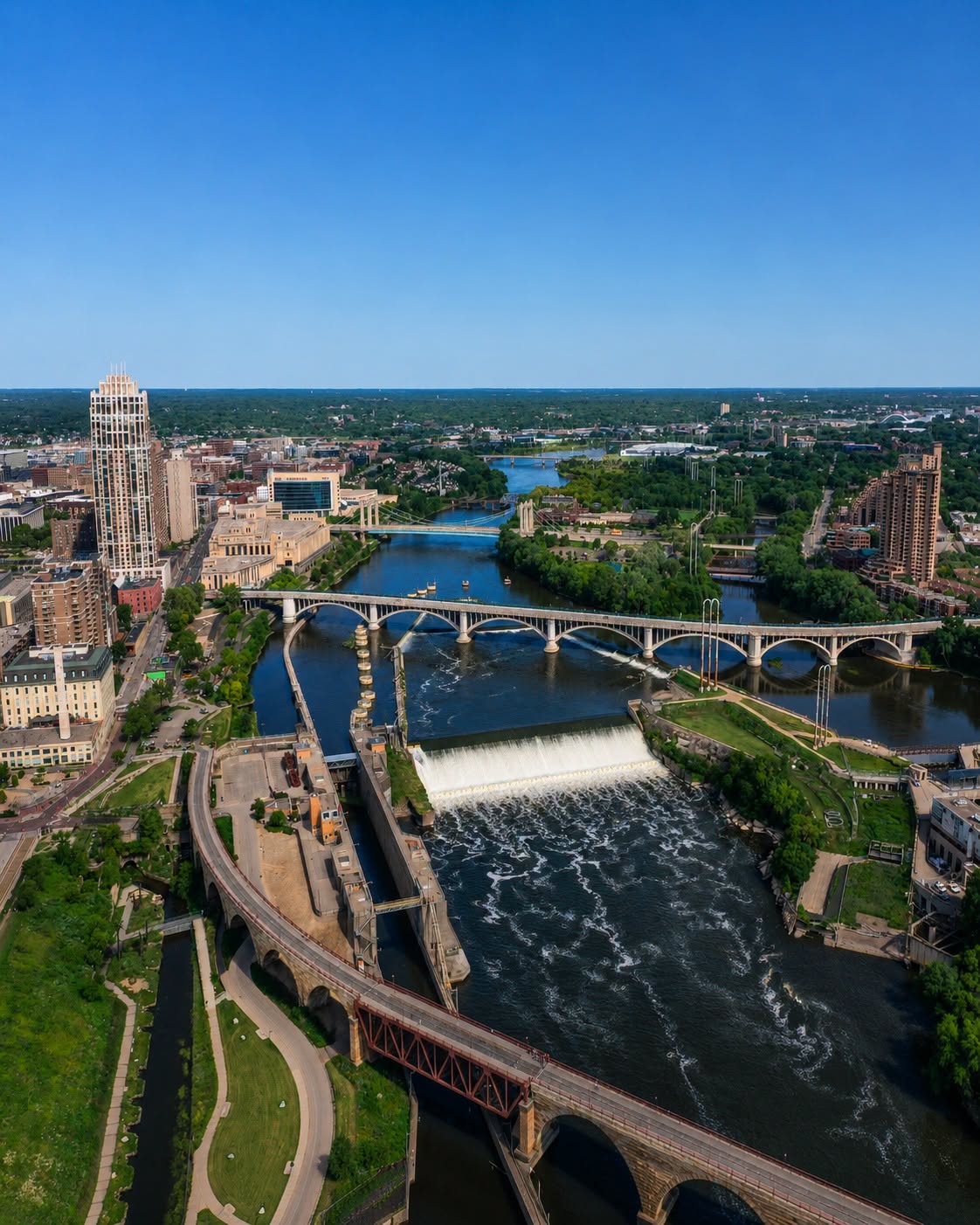
Dakota-Led Owámniyomni Project Restores Connection to Sacred Minneapolis River Site

MINNEAPOLIS — Along Ȟaȟá Wakpá, the Mississippi River, a Dakota-led effort is working to restore land, culture, and community connection at Owámniyomni, commonly known as St. Anthony Falls. For Dakota people, Owámniyomni, meaning “turbulent waters,” has long been a sacred place for ceremony, gathering, trade, and offerings. Nearby Wíta Wanáǧi, or Spirit Island, was a […]

Grand Portage, Bois Forte call for broad review of mining impacts in 1854 Treaty territory

The Grand Portage Band of Lake Superior Chippewa and Bois Forte Band of Chippewa are calling on Minnesota to take a broader look at the cumulative effects of mining and other extraction across northeastern Minnesota’s 1854 Treaty Ceded Territory. The two Tribal Nations announced Sept. 23 that they will formally request the Minnesota Environmental Quality […]

DFLGOTV_WebBanner_1800x150px

Search The Circle

Find stories, columns, events, and magazine features.

Help The Circle Recover & Preserve Native History

FIRE RECOVERY & ARCHIVE PRESERVATION FUND

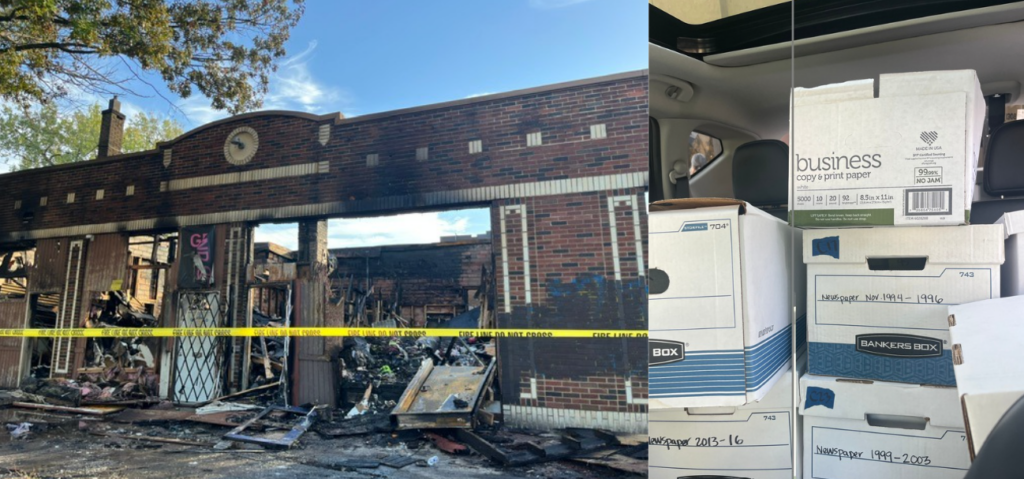
A recent fire at the building housing The Circle’s office has created unexpected challenges for our independent Native newspaper.

Thankfully, with the help of community members, we were able to recover our newspaper archives dating back to the 1980s. These irreplaceable records preserve decades of Native community history, cultural knowledge, and stories.

Your donation will help The Circle recover from the fire, protect our historical archives, and continue sharing Native voices for generations to come.

Every contribution makes a difference.

Pinagigi — Thank you for helping preserve generations of Native stories.