

By Hannah Broadbent
Little by little every week, pieces of regular life are coming back due to the Stay Safe Order, the newest phase in the Covid-19 Pandemic plan by the State of Minnesota.
In the last half of May, gatherings of 10 people could meet outside. In late May restaurants were allowed to open at 50 percent capacity. Here is the latest in the Stay Safe Order as of June 1st.
SNAP Benefits
At the end of May, the Supplemental Nutrition Assistance Program (SNAP) in Minnesota included options for purchasing groceries online using Electronic Benefit Transfer cards. It’s part of a pilot program by the Department of Agriculture. There are now 36 states where online purchasing is possible.
“Safe access to healthy food is important for all of us,” said Human Services Commissioner Jodi Harpstead. “By enabling SNAP recipients to purchase food online, we are increasing access to food and enabling safe purchasing. This is vital to maintain social distancing during the COVID-19 pandemic while helping Minnesotans put healthy food on their tables.”
Currently, the only authorized retailers are Walmart and Amazon. The Minnesota Department of Human Resources is encouraging other retailers to seek approval from the USDA so recipients have more options.
About 400,000 people in the state of Minnesota use SNAP assistance according to DHS. The average monthly benefit is $109 per household member in Minnesota. To be eligible to receive SNAP benefits, Minnesotans have to have an annual income below 165% of the federal poverty level. In fiscal year 2019, that was about $34,000 a year for a family of three.
Go here to learn more about SNAP benefits and click here to apply.
Cultural and Faith Communities
As of June 1, places of worship, funeral homes and other venues that offer gathering space weddings and other planned services (worship, rituals, prayer meetings, etc.) may now host such services with over 10 people, provided that they follow these requirements:
- In all settings, ensure a minimum of 6 feet of physical distancing between households.
- In indoor settings, occupancy must not exceed 25% of the normal occupant capacity as determined by the fire marshal, with a maximum of 250 people in a single self-contained space.
- In outdoor settings, gatherings must not exceed 250 individuals.
- Develop and implement a COVID-19 Preparedness Plans that will be displayed for all attendees to see.
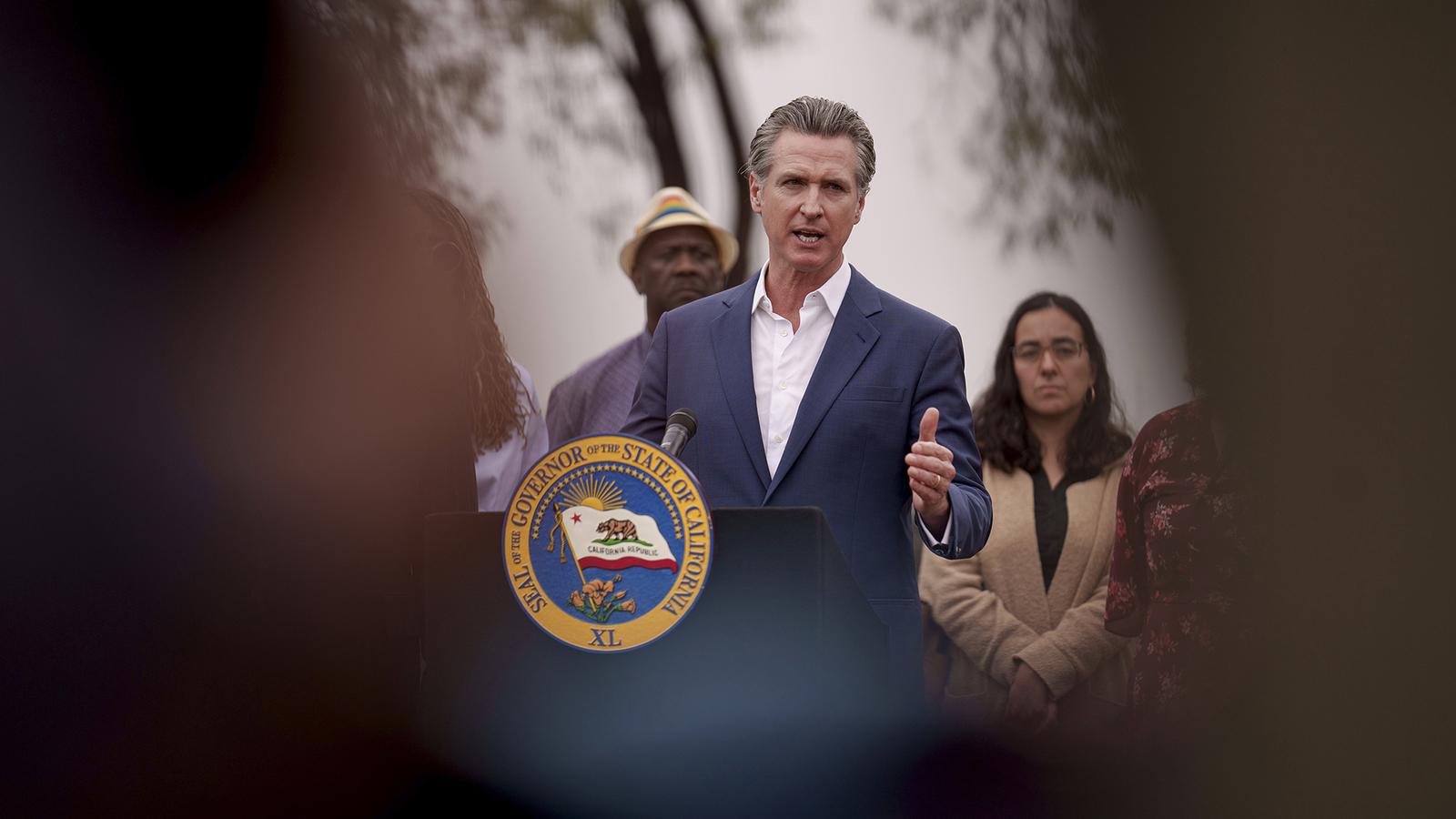
Governor Walz stated in this update that he understood Minnesotans have made sacrifices by deferring large gatherings for the good of their communities. He said he understands the essential role gatherings have in the community and this order is meant to bring those back as safely as possible.
“Faith communities tend to many Minnesotans’ mental and spiritual health and therefore play a special role in our society. In addition, worship services, weddings, and funerals offer a more predictable and controllable environment than other social settings in which people may gather. In many cases, faith communities are aware of and can monitor attendees at services and ceremonies and take appropriate actions in the event of illness,” Walz said in the order.
He urges faith communities to continue to provide remote services to the maximum extent possible. Governor Walz said no place should feel compelled to open their facilities to provide services if they are not comfortable doing so. Though he added the importance of allowing the option to gather.
“Nonetheless, to ensure the mental and spiritual health of Minnesotans, while continuing to protect the public health, it is necessary to take another step to allow for weddings, funerals, and services to continue with larger groups,” he said.
In addition to the statewide orders, Minneapolis Mayor Jacob Frey requires masks to be worn inside all establishments. Anyone over the age of 2 must wear face coverings until further notice.
And St Paul Mayor Mayor Melvin Carter signed an executive order requiring face masks to be worn indoors at licensed businesses and city-controlled facilities.
Though businesses continue to reopen, the latest reports show that there are 27,501 total positive cases in Minnesota and 333,484 tests have been given (6/6/2020) – a steady increase in the past month.
Plus, with the latest Black Lives Matter demonstrations of the last week, Governor Walz was urging everybody to get tested once, then again 7 days later if it was negative on the first test.
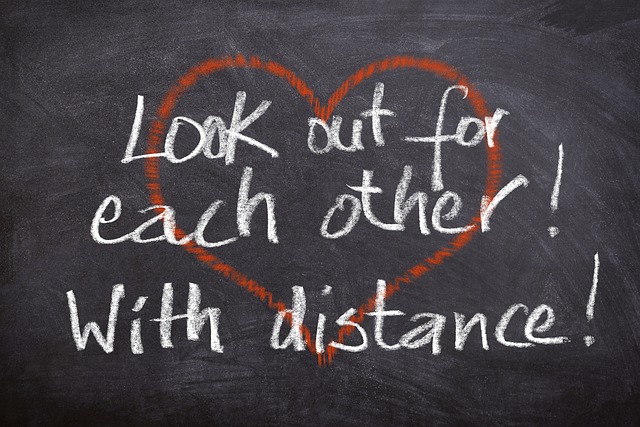
In the meantime, he asks that everyone stay vigilant and cautious about their health and the people around them.