
By Dan Kraker/MPR
The Red Lake and White Earth Bands of Ojibwe have asked the Minnesota Court of Appeals to pause the ongoing construction of the Line 3 oil pipeline replacement project until lawsuits challenging the project’s approval can be heard.
The bands, along with several nonprofit groups and the Minnesota Department of Commerce, have filed lawsuits challenging the project in both federal and state court.
But construction has already begun in earnest on the pipeline, which stretches for more than 300 miles across northern Minnesota. More than 3,000 people from around the country are currently working on the project, with another thousand expected to join them soon.
The tribes argue that if a stay is not granted to temporarily stop construction, then their lawsuits will be “pointless and moot,” because they anticipate that the state appeals court would not issue a final order on their legal challenges until July 2021.
At that point, construction on Line 3 would likely be largely completed. Enbridge began work on the pipeline on Dec. 1, and has said it anticipates that construction will take six to nine months.
Even if pipeline opponents prevailed in court, and state utility regulators were required to hold additional proceedings on the merits of the project, “the outcome of new hearings to determine the need for the pipeline, or to properly analyze its environmental effects before selection of a route, would have no practical purpose,” the tribes say in their brief to the court.
The Minnesota Public Utilities Commission (PUC) approved Line 3 – for a second time – earlier this year, when it approved a revised environmental analysis of the pipeline’s impacts, and granted the project a Certificate of Need and route permit.
“There is no legitimate basis for this filing which fails to recognize the exhaustive and meticulous review [by the PUC], and only seeks to delay an essential maintenance and safety replacement project,” Enbridge said in a statement.
Earlier this month the PUC rejected a similar request from project opponents for a construction stay, concluding that “the risks of continuing to transport oil through existing Line 3 are greater than those caused by construction and operation of the project.”
The current pipeline is corroding and requires extensive maintenance. Enbridge has argued – and regulators have agreed – that it’s safer for the environment, and will reduce the risk of potential oil spills, to replace the pipeline with a new pipe along a different route across northern Minnesota.
The new pipeline will also allow Enbridge to nearly double the amount of oil it currently transports through Line 3.
But opponents argue the project exposes new areas of water-rich northern Minnesota to risks of an oil spill, and also would greatly exacerbate the impacts of climate change by transporting nearly 800,000 barrels of heavy Canadian oil every day to refineries in the Midwest and Gulf Coast.
The new pipeline corridor winds around tribal reservations in northern Minnesota, except for the Fond du Lac reservation, whose leadership reached a deal with Enbridge to route the new line through its lands after it was approved by the PUC.
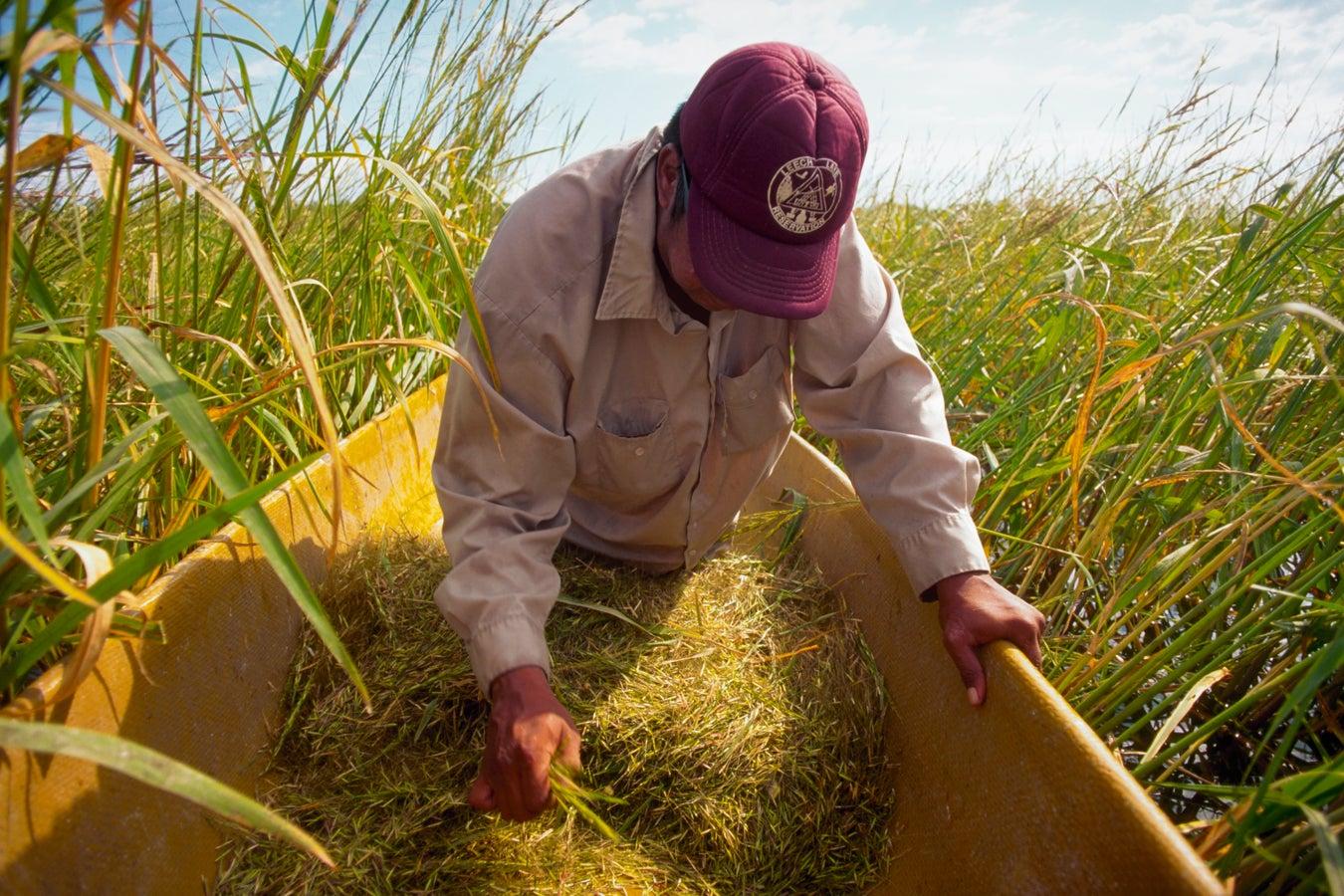
But the route still traverses territory where tribal members exercise treaty rights, including hunting, fishing and gathering of wild rice, maple syrup, and medicinal plants.
The Red Lake and White Earth bands argue that construction of Line 3 would destroy their “treaty-protected interest” in the land, waters, plants and animals, as well as their “cultural and religious rights.”
Meanwhile, work on the project has quickly accelerated since construction began on Dec. 1. Miles of right-of-way have been cleared, and workers have begun connecting sections of pipe together in certain areas in preparation for installing it in the ground.
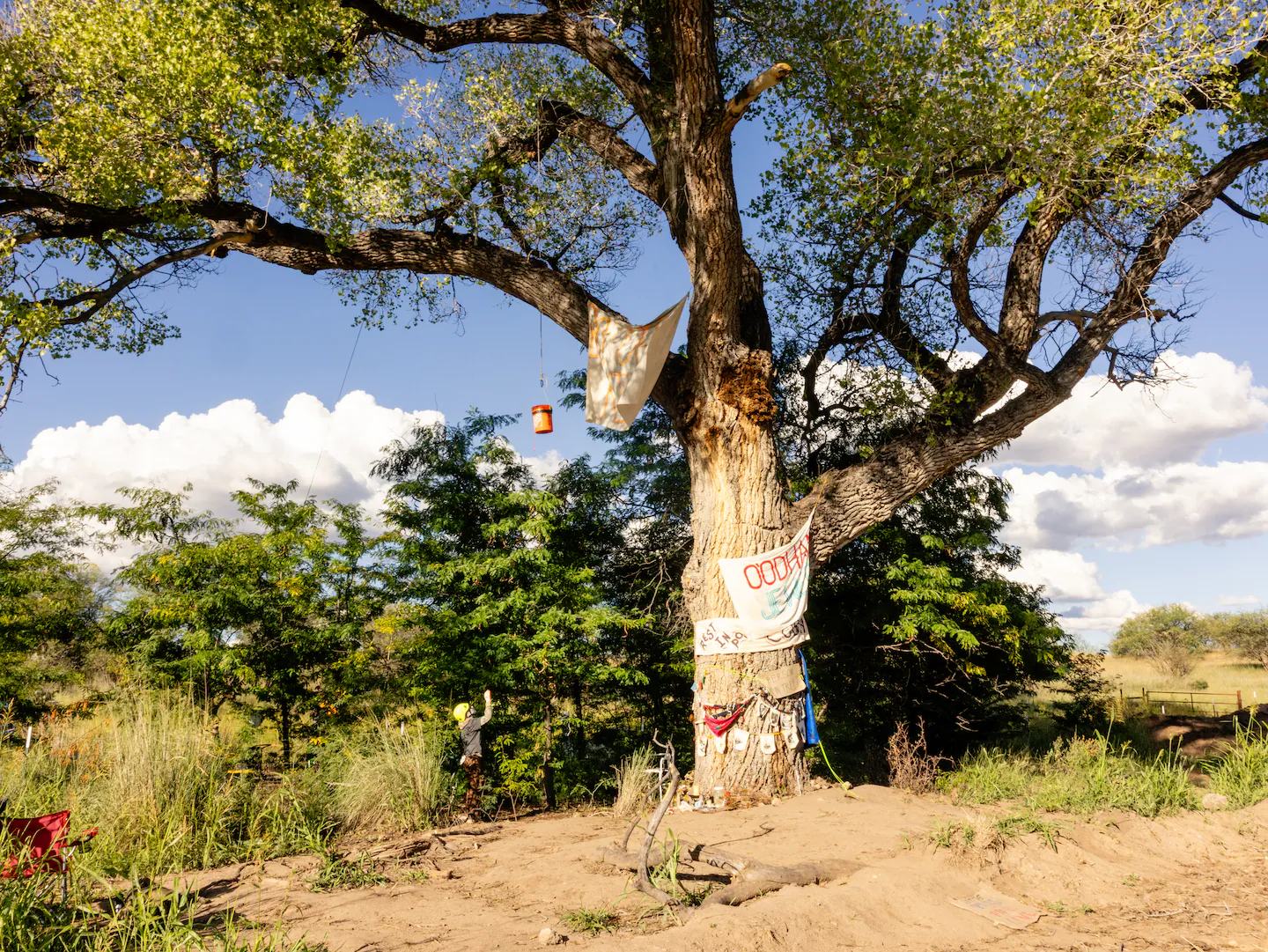
Activists have also continued efforts to physically stall construction. In December, a self-described “water protector” suspended herself from a giant tripod to limit access to a work site near Backus, Minn.
Protesters have also repeatedly blocked work on a section of the pipeline route in Aitkin County, near a point where it crosses the Mississippi River.
Minnesota Public Radio News can be heard on MPR’s statewide radio network or online.