


By the Associated Press
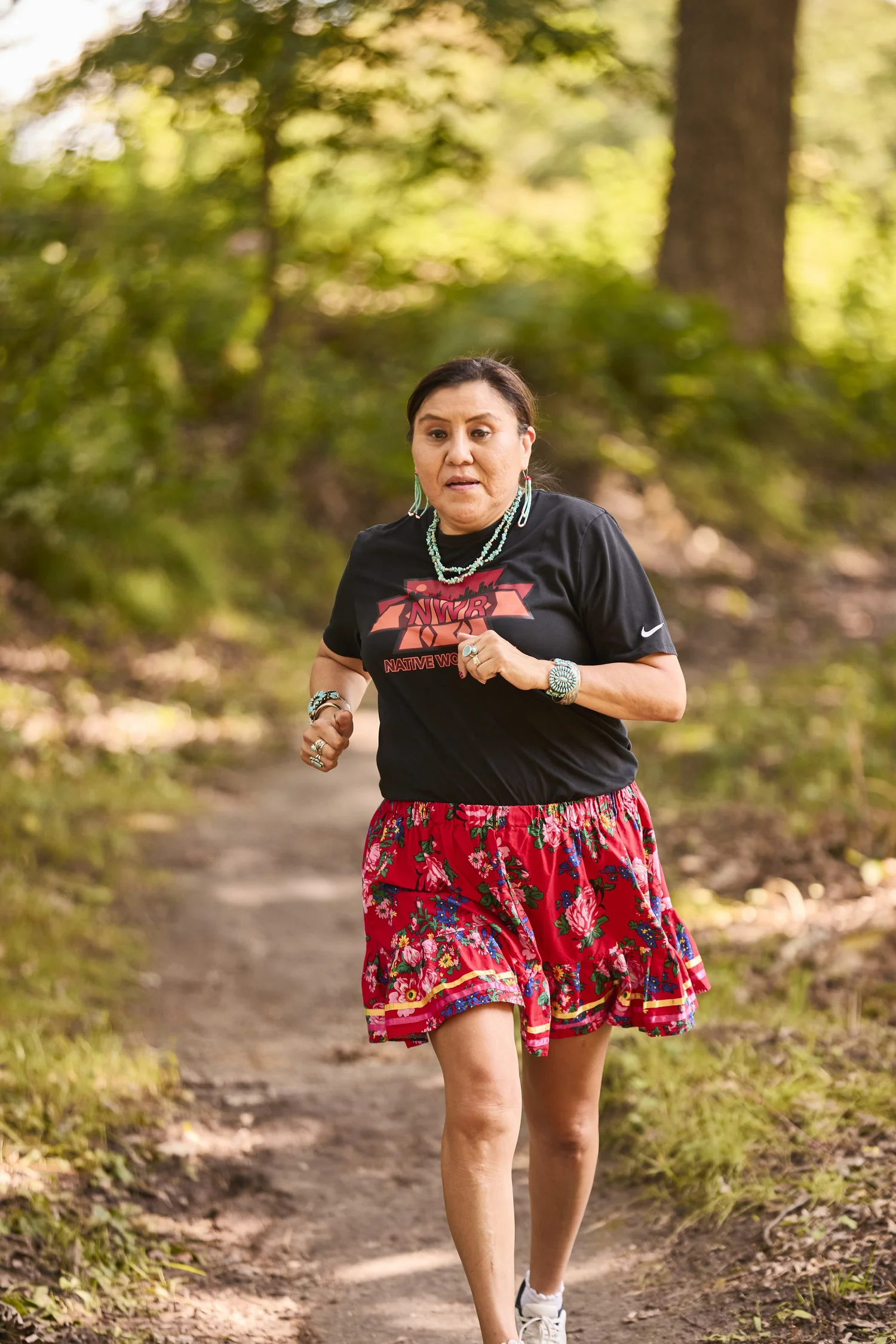
North Dakota lawmakers have appointed an Ojibwe woman as the state’s poet laureate, making her the first Native American to hold this position in the state and increasing attention to her expertise on the troubled history of Native American boarding schools.
Denise Lajimodiere, a citizen of the Turtle Mountain Band of Ojibwe in Belcourt, has written several award-winning books of poetry. She’s considered a national expert on the history of Native American boarding schools and wrote an academic book called “Stringing Rosaries” in 2019 on the atrocities experienced by boarding school survivors.
“I’m honored and humbled to represent my tribe. They are and always will be my inspiration,” Lajimodiere said in an interview, following a bipartisan confirmation of her two-year term as poet laureate.
Poet laureates represent the state in inaugural speeches, commencements, poetry readings and educational events, said Kim Konikow, executive director of the North Dakota Council on the Arts, University of North Dakota, said she plans to leverage her role as poet laureate to hold workshops with Native students around the state. She wants to develop a new book that focuses on them.
Lajimodiere’s appointment is impactful and inspirational because “representation counts at all levels,” said Nicole Donaghy, executive director of the advocacy group North Dakota Native Vote and a Hunkpapa Lakota from the Standing Rock Nation.
The more Native Americans can see themselves in positions of honor, the better it is for our communities, Donaghy said.
“I’ve grown up knowing how amazing she is,” said Rep. Jayme Davis, a Democrat of Rolette, who is from the same Turtle Mountain Band as Lajimodiere. “In my mind, there’s nobody more deserving.”
By spotlighting personal accounts of what boarding school survivors experienced, Lajimodiere’s book “Stringing Rosaries” sparked discussions on how to address injustices Native people have experienced, Davis said.
From the 18th century and continuing as late as the 1960s, networks of boarding schools institutionalized the legal kidnapping, abuse, and forced cultural assimilation of Indigenous children in North America. Much of Lajimodiere’s work grapples with trauma as it was felt by Native people in the region.
“Sap seeps down a fir tree’s trunk like bitter tears…. I brace against the tree and weep for the children, for the parents left behind, for my father who lived, for those who didn’t,” Lajimodiere wrote in a poem based on interviews with boarding school victims, published in her 2016 book “Bitter Tears.”
Davis, the legislator, said Lajimodiere’s writing informs ongoing work to grapple with the past like returning ancestral remains – including boarding school victims – and protecting tribal cultures going forward by codifying the federal Indian Child Welfare Act into state law.
The law, enacted in 1978, gives tribes power in foster care and adoption proceedings involving Native children. North Dakota and several other states have considered codifying it this year, as the U.S. Supreme Court considers a challenge to the federal law.
The U.S. Department of the Interior released a report last year that identified more than 400 Native American boarding schools that sought to assimilate Native children into white society. The federal study found that more than 500 students died at the boarding schools, but officials expect that figure to grow exponentially as research continues.