No data was found

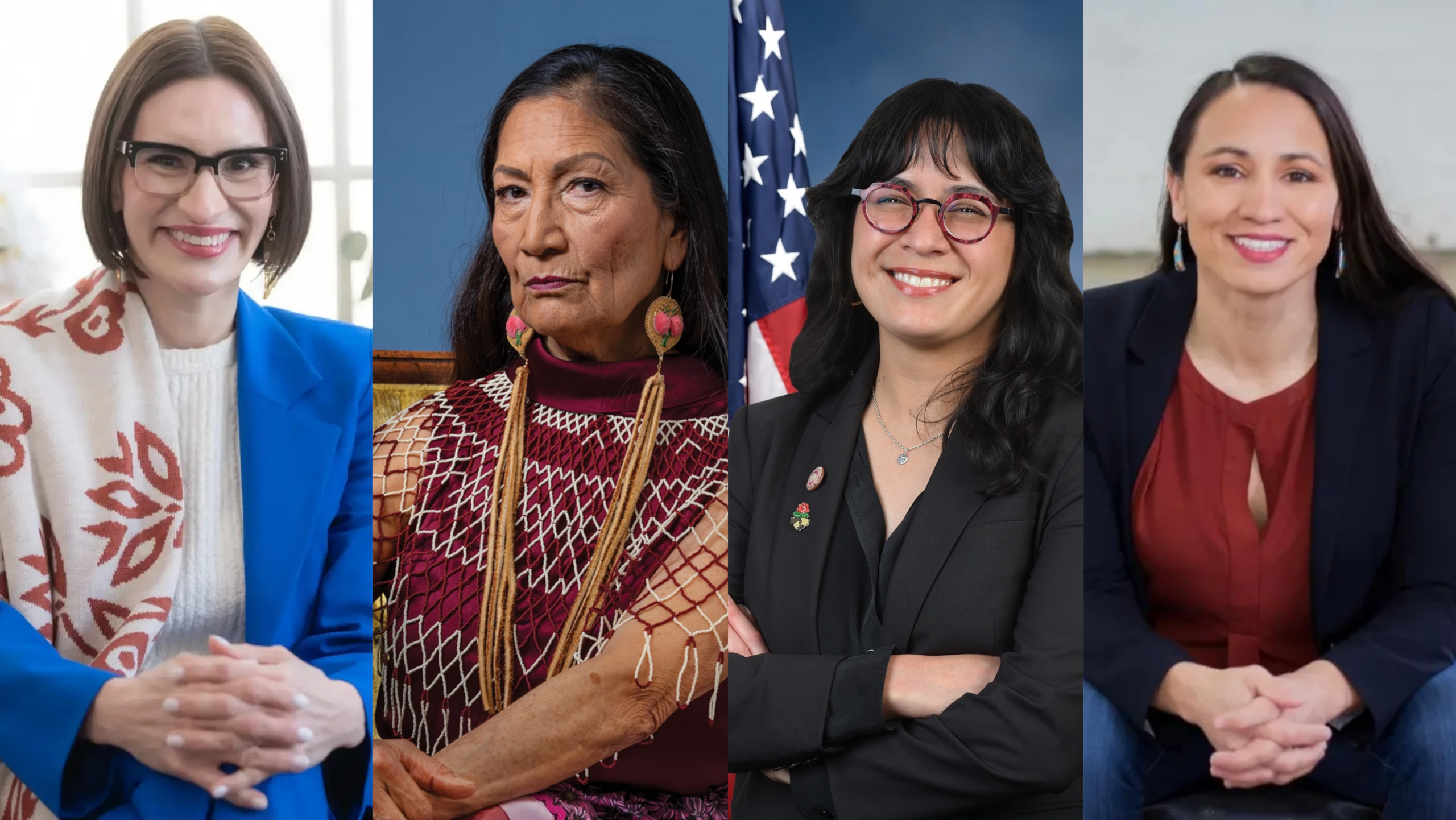
Record number of Native Americans running for office in midterms

Staff Reporter
Share :
Facebook
X
No data was found

By Leila Fadel and Talia Wiener/NPR

On a recent afternoon in Albuquerque, N.M., Deb Haaland sits with a thick stack of paper in front of her, calling donors to thank them for their contributions and to ask them for more money. After winning her Democratic primary, Haaland, a member of the Pueblo of Laguna, is running for the U.S. House in a strongly Democratic district in New Mexico. That means she may soon be the first Native American woman in Congress.
“Somebody has to be the first,” she says as she walks through the southeast neighborhood where her office is. “Native women, I mean we’ve been on the frontlines for a long, long time. Think of all the native women who have fought for treaty rights and fishing rights and all of those things.”

Haaland worked on President Obama’s 2008 campaign before chairing the state’s Democratic Party. But after thinking a woman would become president in 2016 and feeling let down, she says she decided to run for federal office. Because she says, she understands what it is to be working class in the United States. “I identified with so much of what people go through in this district and in the state. Half of our population is Medicaid eligible,” she says. “I know what it’s like to be on food stamps. My daughter and I both are paying off our student loans. So, I just felt like I know what it’s like and we need more people who know what it’s like to struggle.”

To read more, see: https://www.npr.org/2018/07/04/625425037/record-number-of-native-americans-running-for-office-in-midterms

Staff Reporter,
Environment & Politics
Elaine Strongbow is a member of the Leech Lake Band of Ojibwe and has covered environmental and tribal sovereignty issues for The Circle since 2019. She is a graduate of the University of Minnesota School of Journalism and was a 2023 fellow of the Institute for Nonprofit News.

This reporting is made possible by readers like you.

The Circle is a nonprofit newsroom with no tribal affiliation, no corporate ownership, and no paywall. Independent Native journalism depends on reader support.

Advertisement

NOV-JAN Federal Changes Ad (1080 x 1080 px) - The Circle (1)

Recent Stories

Advertisement

NOV-JAN Federal Changes Ad (1080 x 1080 px) - The Circle (1)

More From News

Senator-Elect Peggy Flanagan Makes History, Outlines Priorities for Native Communities

Following her historic election as the first Native American woman elected to the United States Senate, Minnesota Senator-elect Peggy Flanagan spoke with Native journalists about her victory, legislative priorities, and the importance of Indigenous representation in government. Flanagan, a citizen of the White Earth Nation, hosted a press call for Native reporters and Native-led media […]

Minnesota Regulators Approve Pipestone Pipeline Reroute Despite Tribal Opposition

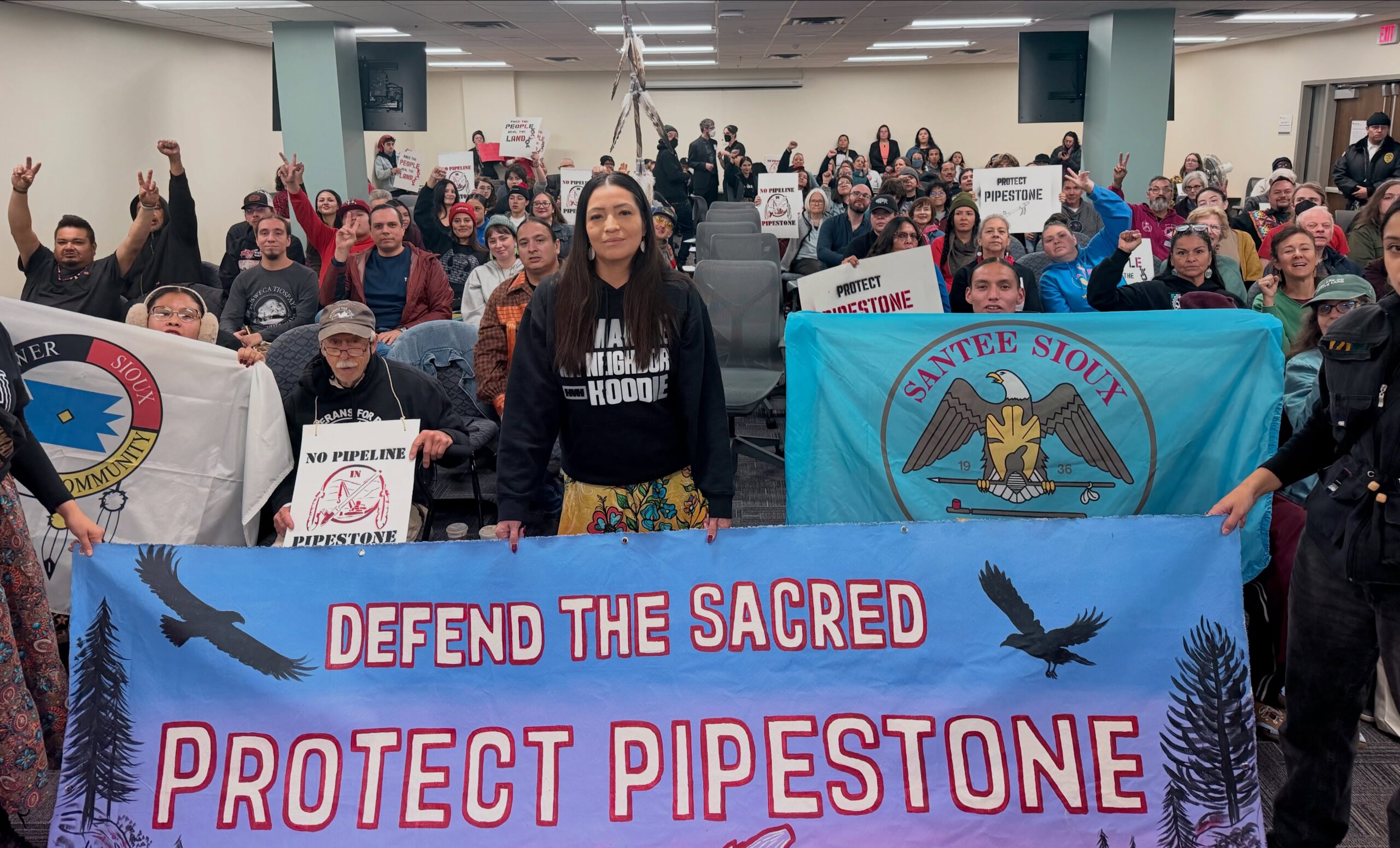
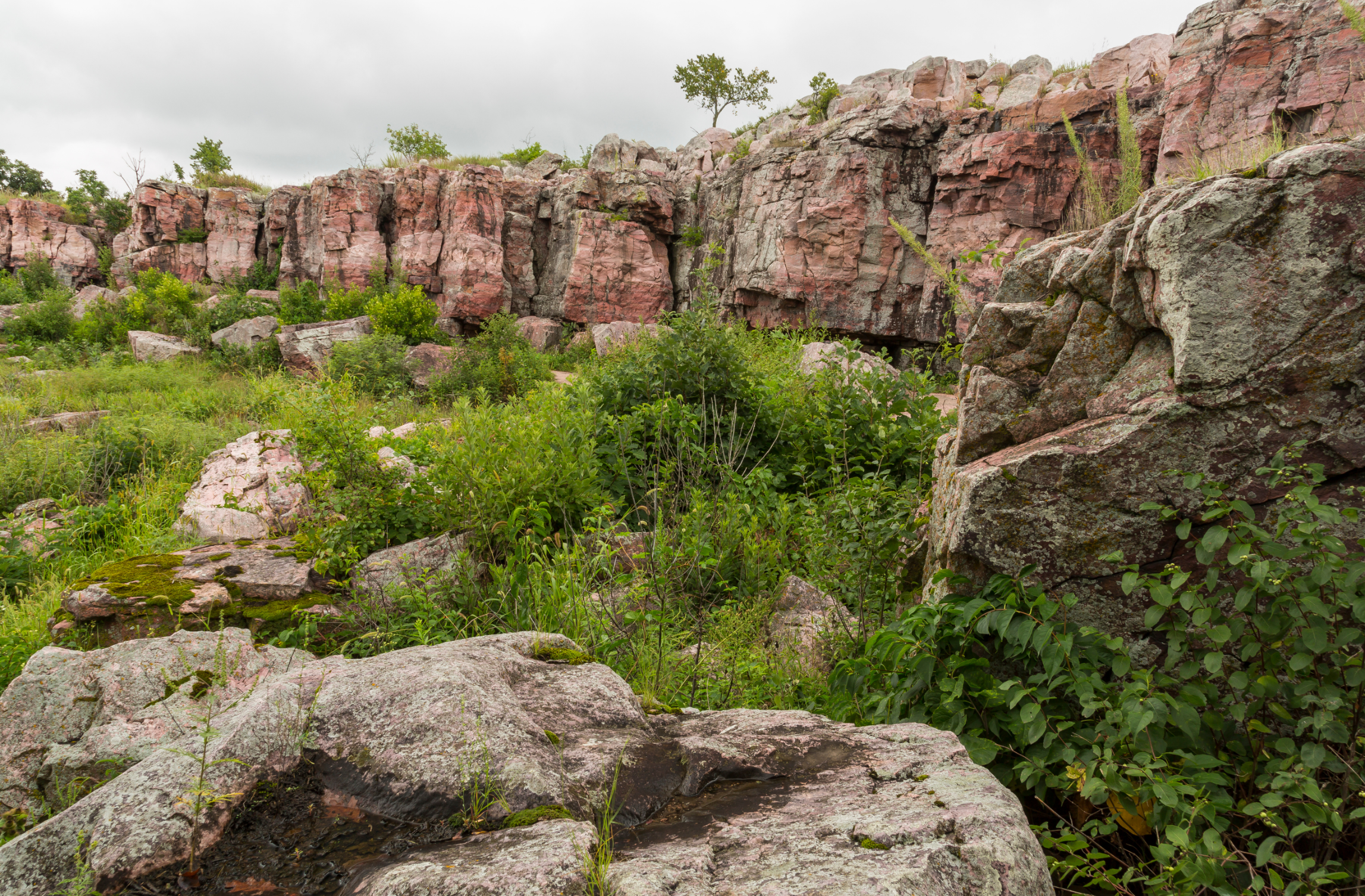
ST. PAUL, Minn. — The Minnesota Public Utilities Commission (PUC) voted 4-1 on November 5th to approve a conditional route permit for a petroleum pipeline reroute near Pipestone National Monument in southwestern Minnesota, despite opposition from Tribal Nations and Indigenous land protectors. The decision allows Magellan Pipeline Company, owned by ONEOK, to move a portion […]

What Is Section 106 and Why Does It Matter for Tribal Nations?

Before a federally funded or permitted project moves forward, who gets a say in whether it could damage historic places? Section 106 of the National Historic Preservation Act of 1966 allows Tribal Nations, preservation officials, and the public to help answer that question. It requires federal agencies to consider how their projects could affect historic […]

No data was found

Search The Circle

Find stories, columns, events, and magazine features.

Help The Circle Recover & Preserve Native History

FIRE RECOVERY & ARCHIVE PRESERVATION FUND

A recent fire at the building housing The Circle’s office has created unexpected challenges for our independent Native newspaper.

Thankfully, with the help of community members, we were able to recover our newspaper archives dating back to the 1980s. These irreplaceable records preserve decades of Native community history, cultural knowledge, and stories.

Your donation will help The Circle recover from the fire, protect our historical archives, and continue sharing Native voices for generations to come.

Every contribution makes a difference.

Pinagigi — Thank you for helping preserve generations of Native stories.