
In mid-August the the sacred site of Pe’ Sla (meaning The Heart of Everything in Lakota) near Mount Rushmore and Deadwood in South Dakota went up for auction. Although the land has been privately owned, members of the Great Sioux Nation -known as Lakota, Dakota and Nakota – have been allowed to gather there each year to perform ceremonial rituals they believe are necessary for harmony, health and well-being.
The auction was schedules for Aug. 25 but for unknown reasons, was canceled.
Tribal members fear that if the property they call Pe’ Sla is sold, it will be developed and they will lose access. The South Dakota Department of Transportation and the Federal Highway Administration are studying the possibility of paving one of the main roads that divides the land, a fact mentioned in the advertisement touting its development potential.
The tribes have now banded together to try to raise money to buy back as much of the land as they can. But with only a weeks notice, so far they have only about $110,000 committed for property they believe will sell for $6 million to $10 million.
"A lot of our people who practice our way of life go there to pray and there are a lot of us that go up there," said Rodney Bordeaux, president of the Rosebud Sioux Tribe, which is leading the effort. "Basically, it’s an opportunity for the tribes to become involved and save Pe’ Sla from development, commercial development, up there and try to save it and keep it in its current state, so people can always go up there to pray."
The area is the only sacred site on private land outside of Sioux control. The tribes believe the Sioux people were created from the Black Hills, and part of their spiritual tradition says Pe’ Sla is where the Morning Star fell to earth, killing seven beings that killed seven women. The Morning Star placed the souls of the women into the night sky as "The Seven Sisters," (Pleiades).
The land – 1,942 acres of pristine prairie grass – is owned by Leonard and Margaret Reynolds, who would not comment on the sale. Chase Iron Eyes, a member of the Standing Rock Sioux Tribe, said they should be commended for how well they have preserved the land and for giving the tribes access. Iron Eyes founded Last Real Indians, a website that promotes indigenous writers and is working with the tribes to spread the word about the sale via social media.
The auction house also would not comment on the sale.
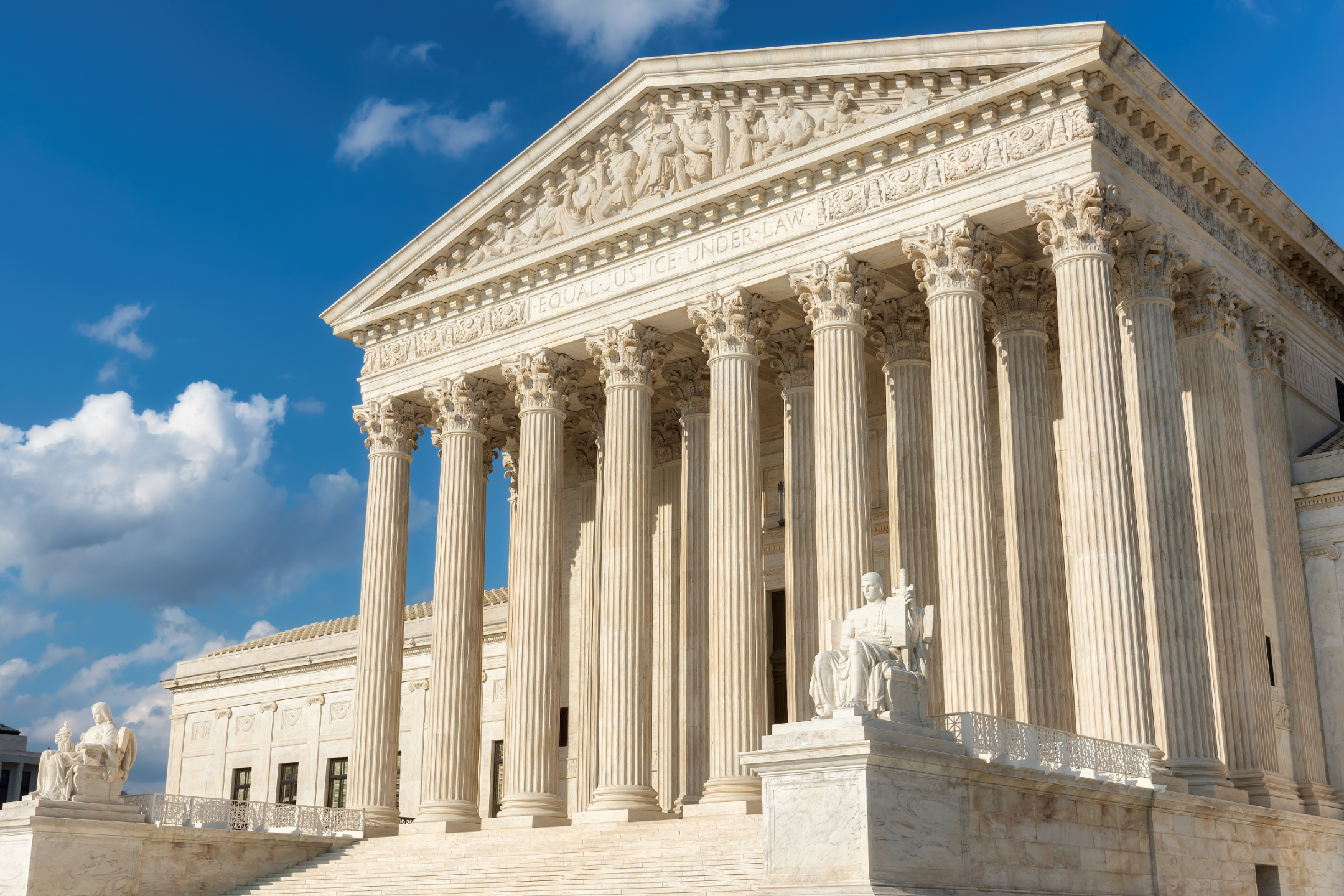
Raising money to buy the land is a monumental and controversial undertaking for the Sioux tribes. An 1868 treaty set aside the Black Hills and other land for the Sioux, but Congress passed a law in 1877 seizing the land following the discovery of gold in western South Dakota. A 1980 U.S. Supreme Court ruling awarded more than $100 million to the Sioux tribes for the Black Hills, but the tribes have refused to accept the money, saying the land has never been for sale.
"There are a lot of our people that absolutely 100 percent do not agree with paying any money for land that we consider still ours, but the reality is we sometimes are forced to fight with the rules of the United States," Iron Eyes said.
So far online donations totaled about $59,000. The Rosebud Sioux have allocated at least $50,000 to the cause, and other Sioux tribes are discussing how much to donate, Iron Eyes said.
Even if the tribes buy Pe’ Sla, it’s not clear what will happen next. Will one Sioux tribe be responsible for the land or will it be split among them all?
"We don’t know that yet, but we are aware of it. Step No.1 is to secure the site," Iron Eyes said.