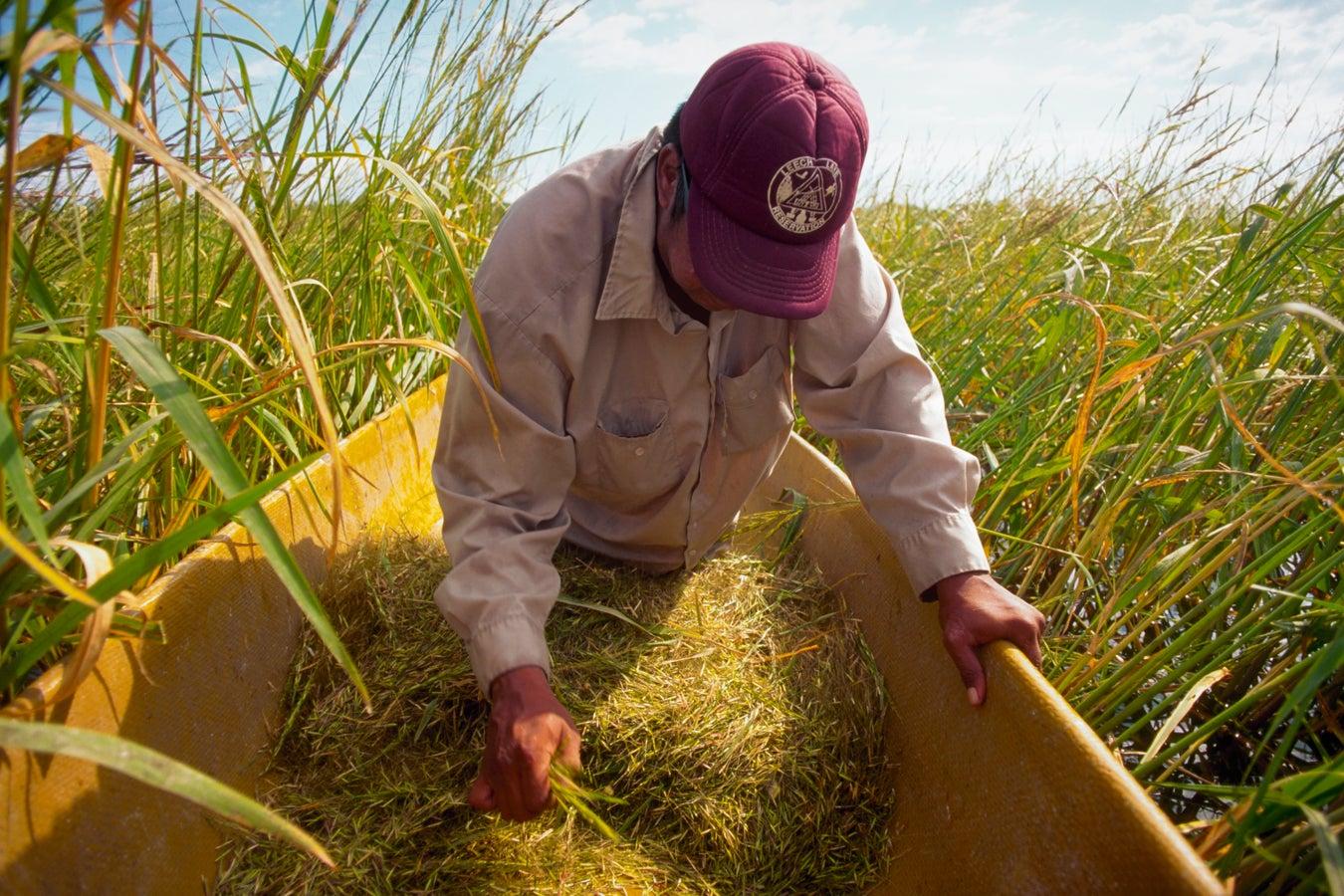

By Melissa Olson/MPR News
The Shakopee Mdewakanton Sioux Community has made $3 million in emergency funds available to tribal nations amid the ongoing food shortage caused by a distribution problem with federal tribal food programs. The amount is $2 million more than the tribe anticipated two weeks ago when they announced the funding.
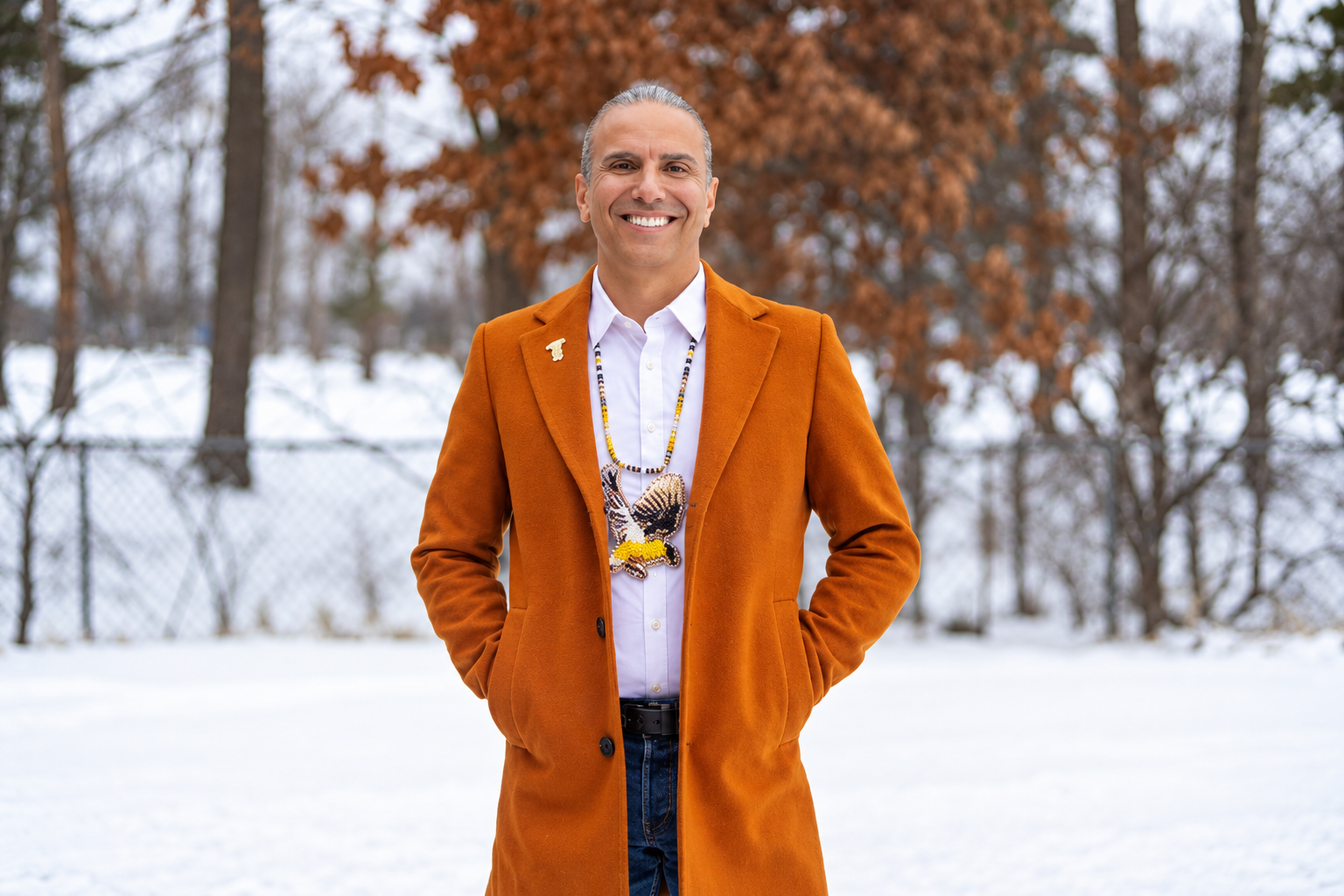
Shakopee Mdewakanton Sioux Community chairperson Cole Miller said delivery disruptions have created a crisis for tribal nations who utilize the U.S. Department of Agriculture’s (USDA) food programs.
“Tribal food warehouses are running out of food. Native elders and families are going hungry, and there is no permanent solution from the federal government yet in sight,” said Miller.
As of this week (August 30), 18 tribal nations across five states have applied to the Shakopee for over $2 million of relief, according to Miller.
More than 100 Tribal organizations and nearly 50,000 people living on tribal lands across the U.S. rely on the USDA program. The tribe is providing funding to tribal nations in Minnesota, South Dakota, North Dakota, Nebraska and Montana.
The Food Distribution Program on Indian Reservations — or FDPIR — provides food to income-eligible households living on or near tribal lands across the U.S. The treaty-based relationships between the federal government and tribal nations requires the federal government to provide food to tribes.
Miller said the federal government needs to make good on its trust obligations.
“Sounds like there’s food there, there’s trucks there to transport the food, but somewhere it’s broken down, and that’s not getting to the tribes that need it the most,” said Miller.
A single vendor contracted by the USDA to ship food to tribal nations across the country appears to be the source of the delays.
This past week, U.S. Senator Tina Smith, alongside six other senators, wrote a letter sent to USDA Secretary Tom Vilsack calling on the agency to fix the problem. The letter stated those delays are “particularly impactful to children during the summer months when they are more likely to experience the ‘summer slide’ — a period of learning loss and regression due to a lack of sufficient resources.”
USDA spokesperson Will Clement says the agency is working to solve the distribution issue.
“Working with our contractor, we are targeting food shipments to the Tribal nations and communities where inventories are lowest and have put in place a number of temporary delivery and funding options to help communities access food they need as we work through these challenges,” wrote Clement.
‘It’s been exhausting’
Wendy Zika is the food distribution coordinator for the Bois Forte band of Lake Superior Chippewa — an Ojibwe community near the Canadian border.
Routine shipments sent to Bois Forte from the USDA’s commodity food program were scheduled to arrive at the start of the month, but didn’t arrive until the third week of August.
“The delays have been hard on families that depend on this food [at] the beginning of each month and middle of the month, too.” said Zika.
Zika’s program has applied to the Shakopee community for emergency assistance and says she is set to receive funding.
Chairman Cole Miller says the emergency funding provided by Shakopee is intended to be a temporary fix until tribal nations can access USDA temporary assistance.
“The USDA, they’ve come up with short-term solutions, and we’re pressuring them to find long-term solutions. Tribes are still going to be in need. These programs are still going to be there. So, we’re really pushing the federal bureaucrats in Washington to fix the problem long term, not just short term.” said Miller.
Miller and others are proposing changes to the upcoming federal Farm Bill that would address food insecurity issues. Miller says providing emergency funding amid the ongoing food shortage is the priority.
At Bois Forte, Zika says she worked every day delivering food that arrived late on USDA food trucks.
“It’s been exhausting. But I got it done,” said Zika. “I have lots of people still in need of their food this month and I am figuring I will be busy all week.”
Minnesota Public Radio News can be heard on MPR’s statewide radio network or online.