

By Diane Pavlat
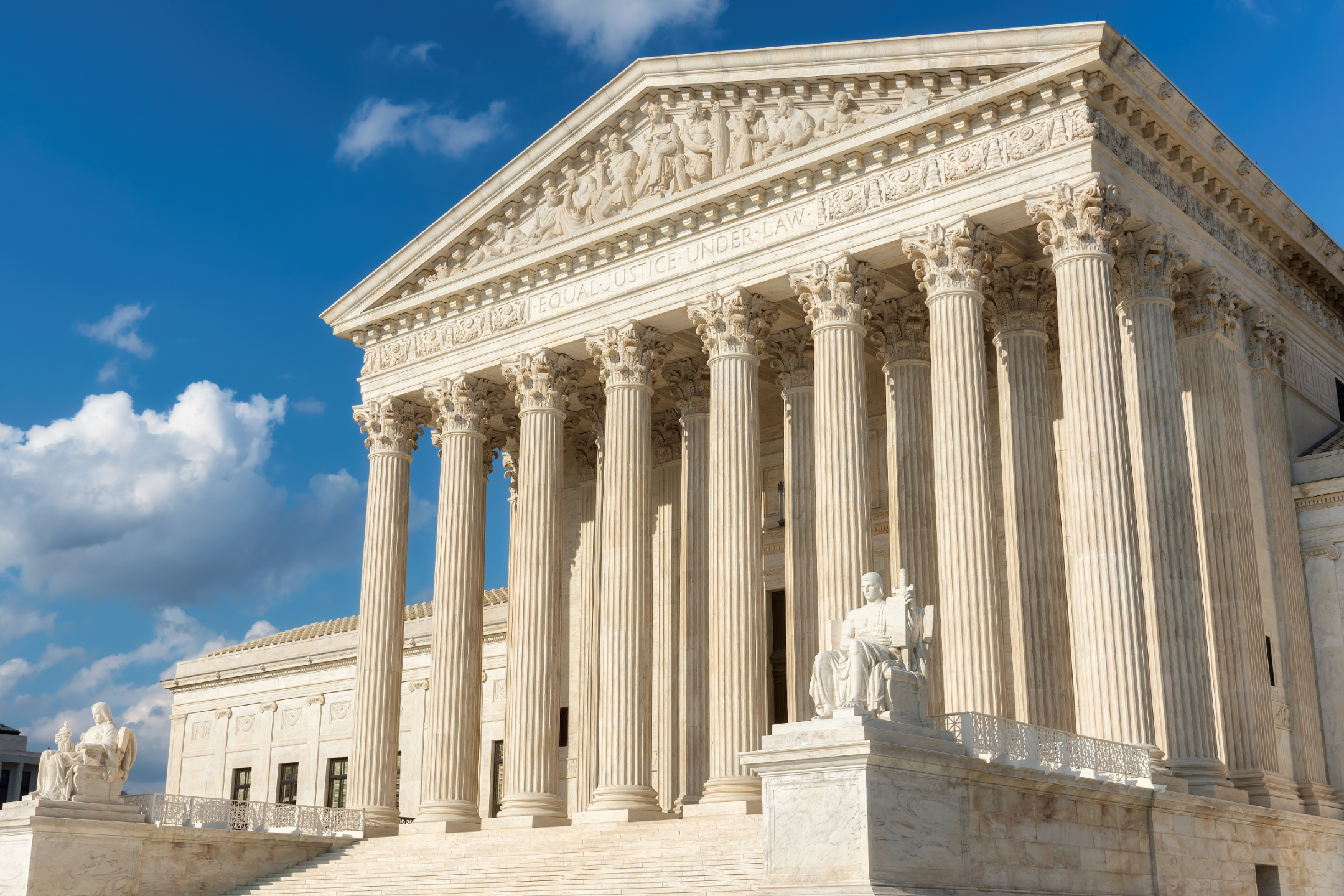
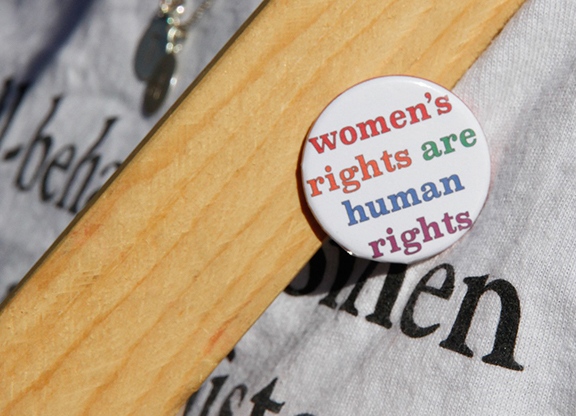
A political act aimed to restrict women’s rights. In June 2022, the Supreme Court of the United States overturned Roe v Wade (1973) leaving the onus of access to abortion on individual states. Since then, six states have taken measures to codify reproductive rights while other states ramp up efforts to abolish or otherwise restrict access to abortion.
“The Supreme Court threw out nearly 50 years of precedent in favor of politicizing the body sovereignty of women and girls,” said Lori Jump, chief executive officer, StrongHearts Native Helpline. “By asking states to regulate abortion, they are taking away the rights of women to decide what happens to their body. Six states have reaffirmed reproduction rights, but until all other states follow suit, women are in a perilous position.”
Six States Uphold Right To Choose
To date, there have been six ballot measures addressing abortion in California, Kansas, Kentucky, Michigan, Montana, and Vermont where voters upheld abortion rights.
On Aug. 2, voters (58.97 percent) refused to amend the Kansas Constitution to declare that nothing in the state constitution creates a right to abortion or funding for an abortion and to affirm the state’s ability to pass laws regarding abortion. Instead, voters upheld legal precedent in Hodes & Nauser v. Schmidt (2019) that the Kansas Bill of Rights provides a right to abortion.
On Nov. 8, five more states took action to uphold reproductive rights of women:
In California, Proposition 1, Right to Reproductive Freedom Amendment – voters supported (65.75 percent) amending the state constitution to prohibit the state from interfering with or denying an individual’s reproductive freedom, which is defined to right to an abortion and contraceptives.
In Kentucky, Constitutional Amendment 2, No Right to Abortion in Constitution Amendment voters opposed (52.37 percent) amending the Kentucky Constitution to state that nothing in the state constitution creates a right to abortion or requires government funding for abortion.
In Michigan, Proposal 3, Right to Reproductive Freedom Initiative, voters supported (56.65 percent) a state constitutional right to reproductive freedom, including “the right to make decisions about all matters relating to pregnancy, prenatal care, childbirth, postpartum care, contraception, sterilization, abortion care, miscarriage management, and infertility care.”
In Montana, LR-131, Medical Care Requirements for Born-Alive Infants Measure voters opposed (52.55 percent) measures to state that infants born alive at any stage of development are legal persons; require medical care and to establish a $50,000 fine and/or 20 years in prison for violating said law.
In Vermont, Proposal 5, Right to Personal Reproductive Autonomy Amendment was overwhelmingly supported by voters (76.74 percent) to amend the Vermont Constitution to add language protecting the right to personal reproductive autonomy and prohibiting government infringement unless justified by a compelling state interest.
“Although voters have upheld women’s rights in these states, the majority of them passed by a thin margin,” said Jump. “Our work is not done.”
Initiatives, Amendments, Referendums
Currently, there are dozens of pending initiatives, amendments and referendums. In Arizona, Colorado, Florida, Maryland, Massachusetts, Nevada and Oklahoma there were nine proposals that did not make the 2022 ballot. In New York, Pennsylvania and Washington, there are four proposals slated for 2023. And, in Florida, Iowa, Nevada, Oklahoma and South Dakota there are seven proposals slated for 2024.
“It’s unfathomable that in this day and age, women and girls must be cognizant of legislation rooted in misogyny and historic oppression,” said Jump. “The criminalization of abortion is an abuse of governmental power to deny body sovereignty. It is a cruel reminder of what Native people have endured for centuries.”
Historic Violence and Oppression
In Indian Country, Native women and girls suffer the highest rates of stalking, rape, and femicide in the nation. Yet, Indian Health Services has historically prohibited and continues to deny access to abortions in Tribal communities. Without planned parenthood clinics, Native women and girls are at a higher risk of being penalized for seeking abortions in unsafe conditions. Rape victims are often shamed and blamed, and now could face jail time for seeking an abortion.
History Behind the SCOTUS Decision
According to Leslie J. Reagan, professor of history and law at the University of Illinois, Urbana-Champaign and author of “When Abortion Was a Crime” and “Dangerous Pregnancies”, historical record describes early abortion – as “restoring the menses,” a woman’s period. It was a normal practice in colonial America well into the 19th century. Abortions were illegal only after “quickening,” a term referring to when pregnant women could feel the fetus moving – said to occur between four and six months of pregnancy.
Professor Reagan, explained that Justice Samuel Alito was egregiously wrong when he used English criminal law from the 17th century to overturn Roe v Wade. He conveniently dismissed the distinction between ending a pregnancy before or after quickening wherein early America, abortion before “quickening” was legal under common law and widely accepted in practice.
Instead, Alito’s draft majority opinion uses 17th century Jurist, Sir Matthew Hale who “described abortion of a quick child who died in the womb as a ‘great crime’ and a ‘great misprision.’ See Matthew Hale’s “Pleas of the Crown ” which also defended and laid the foundation for the marital rape exemption.
Hale wrote: “For the husband cannot be guilty of a rape committed by himself upon his lawful wife for by their mutual matrimonial consent and contract the wife hath given up herself in this kind unto her husband which she cannot retract.”
These provisions for marital rape may sound antiquated, but it was legal in many U.S. states up through the 1990s.
“Justice Alito and a handful of Supreme Court Justices upended abortion rights leaving women to defend themselves against a 17th century misogynist who didn’t believe marital rape was a crime,” said Jump. “It is our sacred duty as women to stand up for ourselves, for our daughters and granddaughters and to guarantee safety and body sovereignty for future generations.