

By Winona LaDuke
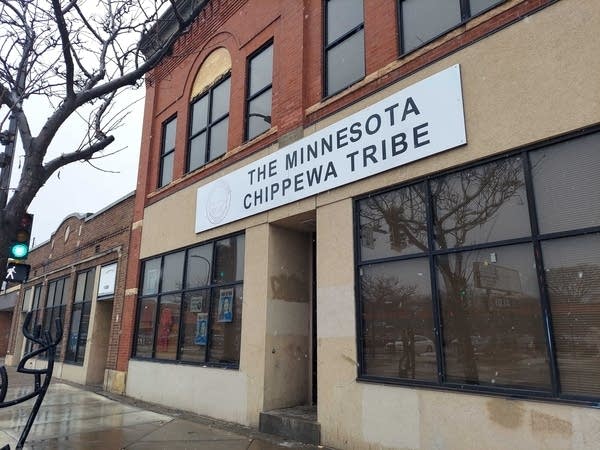
This past month, Enbridge CEO Al Monaco shared his plans to complete Enbridge’s Line 3 through Minnesota by the end of 2019. That promise to shareholders may be an empty promise, as the legal challenges to the 915,000 barrels a day tar sands pipeline mount. In mid-February, the Walz /Flanagan Administration announced it would join the White Earth, Red Lake and Mille Lacs Ojibwe bands, along with Honor the Earth, to challenge the need for this pipeline in state court.
This legal challenge is just the latest of several lawsuits against Enbridge’s largest project in corporate history, and the last tar sands pipeline. That is to say that four other pipeline projects are now either cancelled, or stymied in Montana and Canadian courts, as tar sands pipelines become increasingly risky ventures for investors. In December – in federal district court out in Montana – Judge Brian Morris spurned TransCanada Corp.’s plans to do “preconstruction” as part of its prep work to build the Canada-to-Texas pipeline.
According to The Hill, Judge Morris ruled that such work “could lead to the irreparable harm he is trying to prevent. Morris’s order follows his November ruling that blocked President Trump’s permit for Keystone XL. He ruled that the State Department didn’t properly consider several factors in evaluating the pipeline and didn’t properly explain why it is ignoring the Obama administration’s climate change concerns.”
Last August in western Canada, a federal court of appeal unanimously ruled that Trudeau’s government “failed to adequately consider the concerns of some First Nations regarding the Trans Mountain expansion project. The ruling also found that the country’s energy regulator, the National Energy Board, did not properly consider the impact of increased tanker traffic due to the project,” as reported by The Guardian.
The certificate of need on Enbridge’s Line 3 was approved by the Minnesota Public Utilities Commission in June of 2018, a rogue policy move, overlooking the recommendations of the Department of Commerce, which had spent three years reviewing the economics of this pipeline. In the fall, the Department of Commerce under the Dayton administration moved to appeal that certificate of need, joining tribal governments and citizens organizations.
The Certificate of Need is the key to a project – no certificate of need, no pipeline. Despite significant pressure from Enbridge and labor interests who perceive jobs for Minnesotans, the Walz/Flanagan administration found much concern with the liability of this pipeline, and pipeline capacity economics. Since early January, Canada has decreased oil production in the Alberta Tarsands by 325,000 barrels a day, or 8.7%. (That’s what amount in comparison of Line 3?)
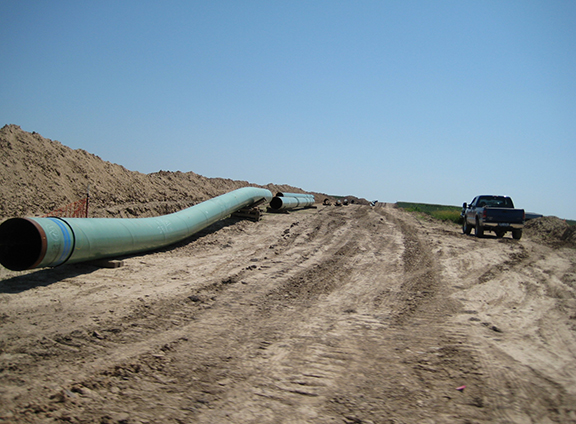
As Enbridge cuts more forests along the proposed Line 3 pipeline path, and mounts staging areas near Itasca Park, as well as adding new pipe yards, the company clearly believes all permits will be issued in time. It’s a very big timing issue.
In turn, the Montana Federal Court decision on the Keystone Pipeline project has temporarily stopped any construction, with the court also noting that TransCanada (the Keystone guys) violated federal regulations by putting in pipe yards and staging. The Court ruled that biased the Environmental Impact assessments, to assume the corporation had procured all approvals.
Enbridge today is the largest tar sands pipeline importer to the US. That sounds important, but it also sounds like a lot of liability, with aging pipelines, and a very complex plan to put a tunnel/pipeline under the Straits of Mackinac. That project is very controversial in Michigan, and the new governor has not looked well on the company, nor have the Ojibwe tribes on the Lake, whose treaty rights are threatened.
Spring will come, and the Anishinaabeg will take to our nopeming, the sugar bush. Wiindigos will slither back into a dark space. And we will see how it goes for Al Monaco and the Ojibwe.