
 “Ake” is a word we use in Lakota to
express our frustration. It’s translated as “again.” Growing up
on the Rosebud reservation, I would hear my parents say, “Ake!”
when someone unnecessarily repeated themselves, made another promise
that may have been suspect or when another frustration took hold in
the family or in the community.
Again, we find ourselves discussing the
issue of Native American mascots in the American mainstream. Again,
we find ourselves having to explain to non-Native people why this is
not just a demoralizing but dehumanizing issue for our people. And
again, we find ourselves listening to the same ignorance involved
with the caricaturization of a minority group of people.
The Washington D.C. team will play the
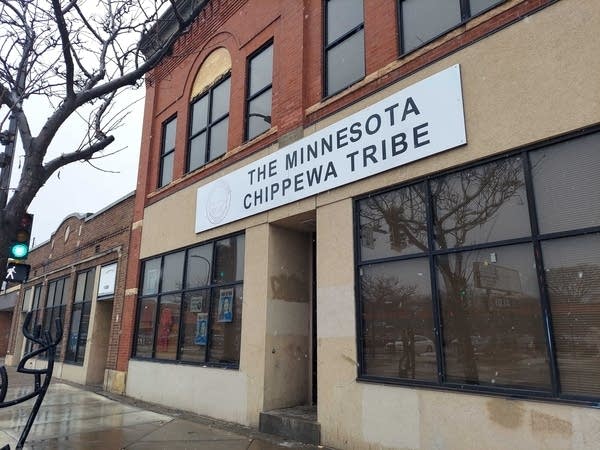
Minnesota Vikings on Nov. 7 and the Native community in Minneapolis,
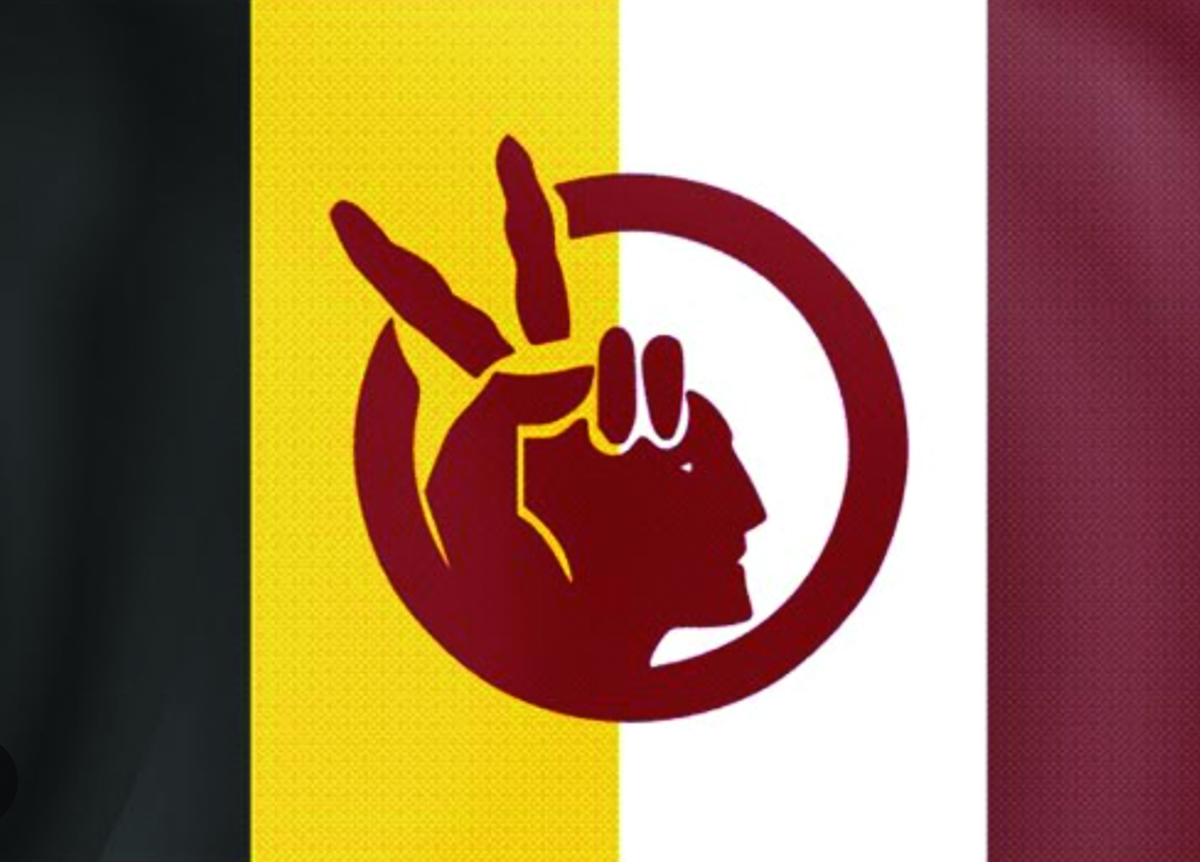
led by the perennially-outspoken American Indian Movement, will
protest the Washington team. In fact, the team was met by a similar
protest in Denver on Oct. 27.
Again, the fans of the Washington team
were effectively amoral when they saw the protests against the name,
regurgitating the ignorance with phrases like, “Get over it,” or
“We’re honoring you.” And again, they are dead wrong.
No one likes being told they are wrong.
It’s the one thing that tends to unite us as Americans, particularly
given the latest government impasse in Washington. We pick a position
on an issue we feel is right and we cannot be told, even when we are
wrong. We equivocate, we prevaricate and we obfuscate to justify how
we feel, without ever being able to weigh an issue objectively.
The refrain of, “we’re honoring you,”
or “get over it,” is simply a lazy and inexcusable set of phrases
that doesn’t allow for much discussion and seeing things from the
other point of view and does more harm in ways that can’t be seen.
One of my fellow Sicangu, Alexis
Oskolkoff, made headlines in South Dakota recently after an incident
at the University of South Dakota’s homecoming parade on Oct. 5.
Students affiliated with the campus organization Strollers at my alma
mater, upon seeing Oskolkoff and her 10 year-old son, Joseph, in
wacipi regalia relied on stereotypical impressions of our people and
made war whoops toward my countrymen.
As an alum of USD, whose mascot is the
coyote, I was taken aback and dismayed at the level of ignorance
displayed; particularly because during my time there as an undergrad,
the administration and campus organizations took great pains to
include Native American students in as many aspects of student life
as possible without tokenizing our presence.
When her son, one of the younger
generations that will take their place in our society, encountered
this blatant racism, Oskolkoff said to the media, “He was really
upset. You could tell it hurt his feelings. I shouted at them so they
stopped. I mean, I’m used to having racial things said to me. But
when it comes to my son, I put my foot down. I’m not going to let
them do that to my son.”
Thankfully, Lakota women come with a
much-deserved reputation of being stronger than most and for anyone
who’s crossed one can tell you it is a mistake they will not repeat.
Although the two issues may not seem
related, they are bonded by the unconscionable reality that as Native
Americans – despite the generations of survival and thriving
against almost insurmountable odds – we continue to be dehumanized.
The reduction of a people, culture and
heritage to a caricature, utilizing fabricated modes of identity is
always immoral. When we allow that to happen, we play a part in
demeaning a race, ethnicity and cultural identity, which leads to
dehumanization and robbing the inherent dignity of a group of
people.
The National Congress of American Indians, the largest,
collective body of tribal governments in the United States, has
repeatedly called for an end to mascots that depict Native Americans
as one-dimensional characters.
That is the line, if it’s crossed,
there is something decidedly wrong with the moral compass of anyone
who justifies racism based a superficial and damaging interest in
Native identity.
Again, we must continue to keep our convictions
on this issue, calmly but firmly.
Again, we must continue to not simply
be angry, but to work in our daily lives to illustrate that being
Native in America is tinged with more complexities than a hollow
caricature.
Again, we must have the patience to
endure the ignorance and anger because as history shows us, justice
will come slowly, but it will come.