

By Lee Egerstrom
Self-distancing, Stay Home Minnesota precautions, people just being careful, and greater use of telemedicine communications with health professionals to avoid COVID-19 are starting to raise more awareness of inequities in health care delivery.
A flurry of national news media attention has noted that people with limited or no English language capabilities or limited access to modern technology devices are having extreme difficulties using telemedicine tools.
The Philadelphia Inquirer, which may have started the new round of media attention, described the shortcomings of telemedicine as a “digital divide” again separating the “haves from the have-nots.”
A quick survey with Native tribes and urban Native American groups in Minnesota shows the divide is probably most acute with elders not technologically savvy to use telemedicine opportunities to confer with doctors or others.
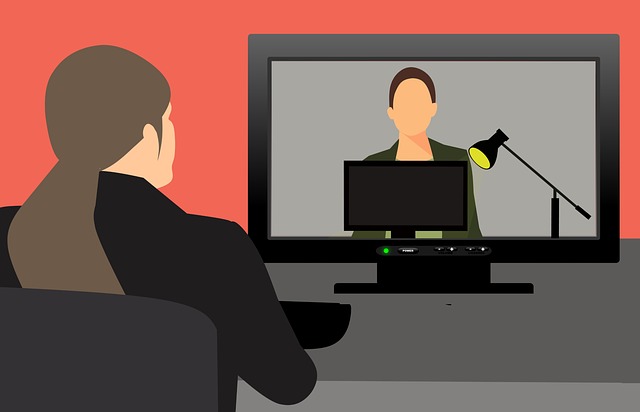
People needing medical attention not related to COVID-19 may need a computer to learn how to use their telephones to confer with medical professionals through telephones and various smartphone devices using Zoom and other visual applications.
The Minnesota Department of Human Services (DHS), the state’s point department for administering the state’s Minnesota Health Care Programs (MHCP), and the Indian Health Board in Minneapolis have helpful resources for turning to telemedicine conferences as a stopgap measure while taking precautions against exposure to the virus. (See links below.)
Again, that information is not easily reached by elderly who do not have computers and Internet service, by the homeless, by people in temporary housing with friends or relatives, and others the Philly writers describe as on the downside of the digital divide.
“Expanding telemedicine coverage and allowing many services to be delivered via telephone have been essential steps to accommodate social distancing and isolation necessary during this public health emergency,” DHS said in a prepared statement for The Circle.
“This includes assessments and services provided to enrollees (in Minnesota state programs) who are elderly and disabled.”
To help medical providers make telemedicine more available to state program enrollees who may not have technology devices or reliable broadband service, DHS expanded providers’ use of telephone calls when doing so was considered safe and effective.
These are also stopgap measures.
“Inequities have been brought into sharp focus through the pandemic, with access to technology being no exception,” the DHS statement said.
“As more care is delivered remotely, differences in access to broadband, smartphone or software could become barriers to care or further exacerbate the health care system’s already troubling and long- standing disparities in health outcomes.”
Cardiologists at the University of Pennsylvania have noted these disparities greatly increase risk, and lack of appropriate treatment, during the pandemic. Less severe, perhaps, is people simply putting off routine checkups and medical appointments.
“Ah, I’m a month-and-a-half overdue for my annual physical,” said a spokesman for a northern Minnesota tribal government. It isn’t for lack of access. “I haven’t strayed far from home,” he said. “I’m an elder with a pre-existing condition.”
This media inquiry was a nudge to schedule his physical, he said. Loved ones and friends, however, should check with elders and others with limited access to technology to see whether telemedicine communications or in-person appointments are needed for proper care.
Information on how to achieve telemedicine and proper care in these times can be found at the following.
The Minnesota Department of Human Services’ provider manual, revised on June 18, is accessible at:
https://www.dhs.state.mn.us/main/idcplg?IdcService=GET_DYNAMIC_CONVERSION&RevisionSelectionMethod=LatestReleased&dDocName=dhs16_137531
Minnesota expanded and temporary coverage of telemedicine visits for Substance Use Disorder (SUD) and Mental Health information can be found at:
https://mn.gov/dhs/partners-and-providers/policies-procedures/minnesota-health-care-
programs/provider/types/sudmhcovidtele.jsp
Minnesota Department of Health reasoning for resuming elective surgeries and procedures in May were given in Governor Walz’s executive order accessible at: https://mn.gov/governor-walz/live/covid/Elective_Surgeries.pdf
Helpful Fond du Lac Band telehealth instructions can be found at:
http://www.fdlrez.com/downloads/HSDTelehealth.pdf
The Indian Health Board in Minneapolis has both helpful COVID-19 Response Updates and a Telehealth Update (March 19) with ways to use smartphones and devices at: https://www.indianhealthboard.com
Daily updates on COVID-19 in Minnesota are given by the Minnesota Department of Health and available at:
https://www.health.state.mn.us/diseases/coronavirus/situation.html