

By Lee Egerstrom
Native American entrepreneurs operate what clearly are small businesses – either alone or with family members and with no more than a handful of employees. Until now, they have mostly been out of sight.
That might change as of April 23. Congress approved nearly $500 billion in fresh aid for small businesses, hospitals and for COVID-19 testing programs that Trump was ready to sign into law.
This new pandemic relief bill replenishes $310 billion for small businesses and their employees under a Payroll Protection Program (PPP) that was quickly exhausted when the COVID-19 virus swept across America in March.
The new legislation attempts to make sure a good portion of these funds will reach all the way down to the smallest of the small business operators.
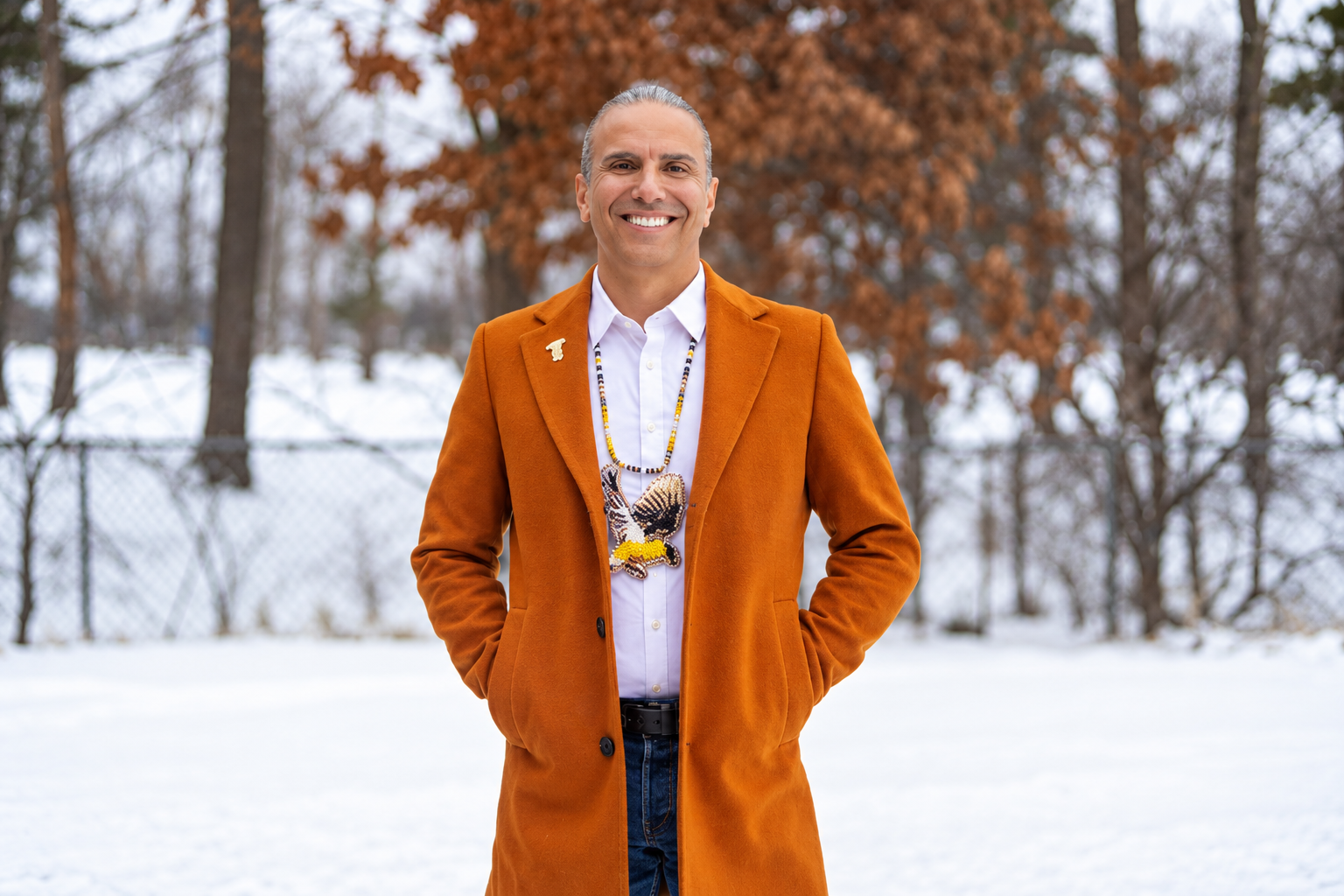
These businesses were especially hurt in the past two months by both government orders and by economic responses to COVID-19 pandemic, says Pamela Standing, president and chief executive of the Minnesota Indigenous Business Alliance (MNIBA).
“Even with programs in place, and when they are funded, Native businesses are left on the outside looking in,” she said.
The initial $349 billion for the PPP program, for instance, was quickly exhausted and little of it reached down to the smallest business operators. The Associated Press reported that comparatively large and publicly traded companies – still qualified as “small business” under federal guidelines – were first in line for assistance. About 75 such companies accessed $300 billion of the initial small business aid.
That means Wall Street investors, not “Main Street” entrepreneurs, got first dibs on funds for programs to save small businesses and their employees’ jobs. Congress attempted to change that in the new bill, but directing aid to the smallest operators won’t be easy.
“Mom and Pop” businesses don’t have legal and accounting staff to chase down the programs, said Standing. The Small Business Administration (SBA) has a list of approved lenders in each state that can help access small business loans and programs, but many won’t help if the owner isn’t a bank customer.
Other business owners don’t know what programs exist. Others, she added, likely give up trying to access help from programs out of despair.
The number of Native small business entrepreneurs in Minnesota isn’t known. Some surveys suggest from 500 to as many as 4,000, Standing said. That gets clouded by people needing to self-declare they are Native-owners, by enrolled or descendant status with tribes, or simply not being asked.
“I would guess there are about 1,000 in Minnesota, but can’t be sure,” she said.
In an online Town Hall meeting for small businesses on April 20, Ramsey County Commissioner Trista MatasCastillo described the problem governments and service providers are experiencing at the federal, state and local levels.
“We’re flying this plane while we’re building it,” she said.
The bill replenishing funds for SBA and other programs was the fourth federal emergency response to the COVID-19 health and economic crisis. Members of Congress and the administration are already in conversations about what should be included in a fifth.
Commissioner MatasCastillo and Ramsey County Community and Economic Development Director Kari Collins provided data at the Town Hall meeting that amplified Standing’s comment on how small businesses can be invisible.
Ramsey County – St. Paul and suburbs – is the second largest Minnesota county in population, smallest in geography, and is well known for large, Fortune 500 and various multinational companies. At the same time, they said, 70 percent of businesses in Ramsey County have fewer than 10 employees – most with less than five.
Surviving the current business shutdowns and health and safety measures is business owners’ first task. Time, expense and a lot of planning are necessary to get the small business economy rolling again, they said.
Collins provided a graphic showing three stages of the COVID-19 economic recovery cycle with businesses and government programs engaged in phases one and two, Preparation and Relief. While these immediate, emergency steps are being taken, Collins said forward thinking is needed for the third, or Reopening stage.
Since business isn’t likely to go back to the way it was before the virus hit, preparations are needed to resume business in what will become the next, or “new normal.”
MNIBA is working on ways to reshape how Native small businesses will function in the future, Standing said.
“So much of Native businesses has been face-to-face. That can’t happen now and we don’t have any idea how long this pandemic will last. Or if it will come back as some warn,” she said.
This means various goods and services providers will need “virtual face-to-face” platforms to reach customers and broader markets. A large number of Native entrepreneurs lack the proper technology to partner with others to showcase their goods and services.
Her independent business group is exploring ways to link and jointly market Native entrepreneurs. MNIBA is expanding its Minnesota Native business directory (https://www.mniba.org/programs/business-directory.html). It also has a revised guide, Beginning the Cooperative Journey Together: A Guide to Indigenous Community Cooperative Development, being readied for publication that will show some entrepreneurs new ways to reach markets collaboratively.
Much of her group’s work, however, is sharing information about available resources in what are often painful telephone and email conversations with entrepreneurs in financial difficulty.
That doesn’t even count Native entrepreneurs in what Standing calls “the informal economy.” Neighborhoods in urban areas, such as the Phillips Neighborhood in Minneapolis, at reservations, and at small towns in general, have a “moccasin telegraph” that connects people with skills, talents, equipment and other “tools” that work the informal economy.
“Everyone knows who can quickly make meals for a funeral or gathering, or who can chop wood or make repairs. This is usually like a barter transaction. Someone helps out when needed, and then someone else does something in return.”
This, too, is a vital part of small business for which there are no programs.
A look at Minneapolis and St. Paul programs helpful for Native businesses will be offered in the near future. Meanwhile, a detailed look at federal programs for tribes and native businesses has been compiled by the Greenberg Traurig LLP international law firm, with offices in Minneapolis, at https://www.gtlaw.com/en/insights/2020/4/economic-relief-to-tribes-and-tribal-small-businesses-under-the-cares-act.
The state of Minnesota, tribal governments, Minnesota counties and larger cities have useful websites with COVID-19 information and directories of services. Helpful starting points for seeking access to resources would include Ramsey County’s pertinent website: https://www.ramseycountymeansbusiness.com/, and MNIBA’s COVID-19 resources: http://d31hzlhk6di2h5.cloudfront.net/20200329/5b/92/e9/41/be3ca684307418061e484391/MNIBA_COVID-19_Resources_for_Businesses_and_Families.pdf