
By Eddie Chuculate
As the coronavirus has broken United States food-supply chains, and grocery stores in Minneapolis closed or disrupted due to rioting, free groceries offered by the state are being left on the table.
The deadline to receive a one-time $325 Pandemic Electronic Benefit Grant, known as a P-EBT, is July 31.
Families in Minnesota who have children who receive free or reduced-price lunches in school, or those families whose children attend schools where all kids receive free meals, are instantly eligible.
The funds are distributed on a card that can be used at grocery stores, farmers markets, and for online food purchases through Amazon and Walmart.
The grant is intended to keep schoolchildren who normally eat meals at school and are not at school because of the state-mandated coronavirus shutdown fed with healthy food.
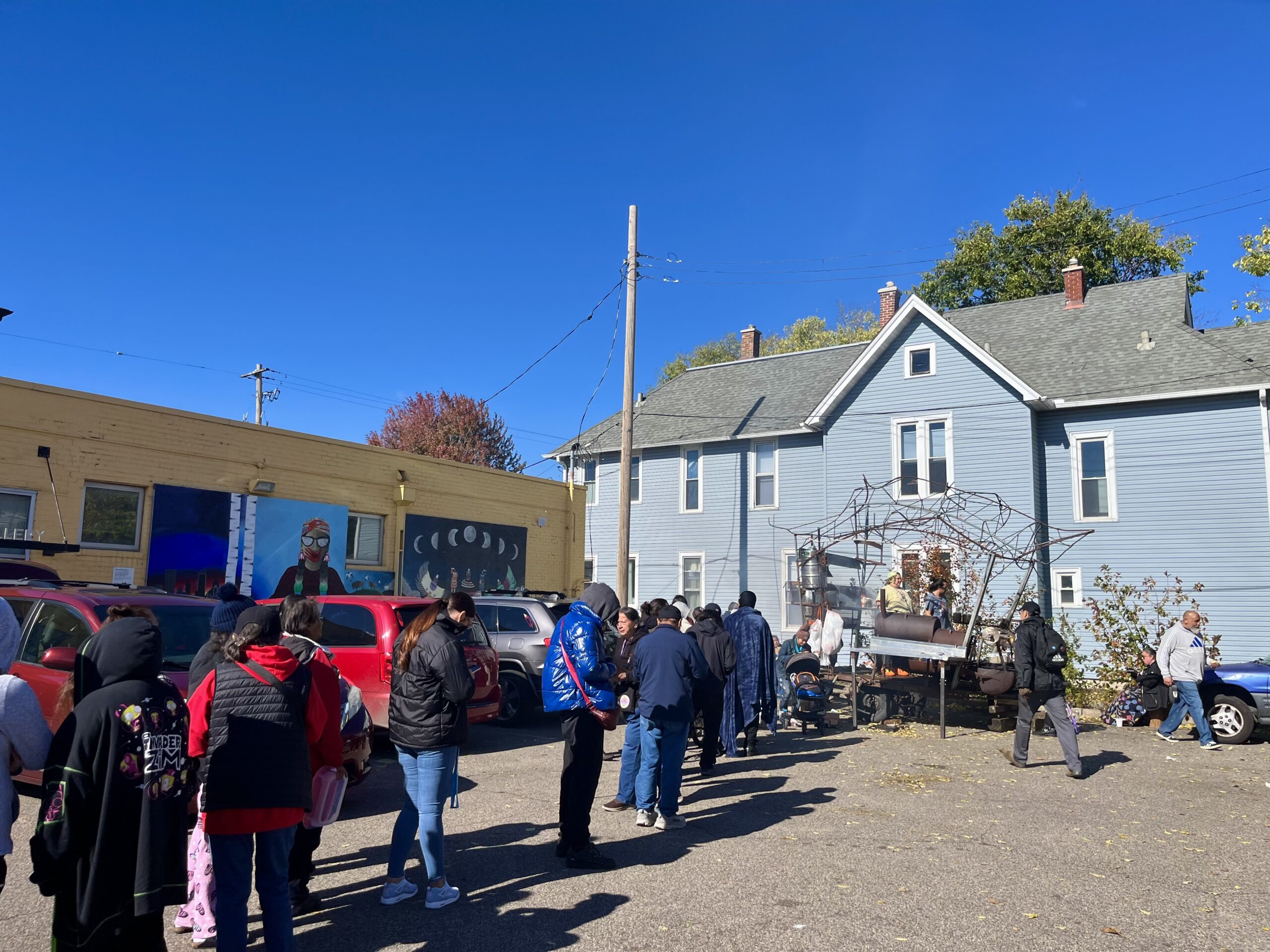
Many Native American families in the Twin Cities attend such schools, like Bdote Learning Center, and would be eligible.
But according to a news release from the state Department of Human Services, 150,000 eligible families haven’t taken advantage of the opportunity.
More than 200,000 families have already applied for or received P-EBT, according to MDHS. But in more than 24 eligible school districts, no one has applied, leaving food on the table.
In a statement, the department said its staff members are “working with community partners to target specific areas of the state with lower enrollment numbers.”
Many households are struggling during the pandemic, due to job losses or reduced hours, and the $600 a week bonus in unemployment benefits expires this month.
Minnesota has also extended P-EBT to provide an additional food benefit through the summer. With Summer P-EBT, each eligible child will receive an additional $100 food benefit. Eligibility follows P-EBT guidelines.
Those who have applied will receive the benefit automatically; those who have not can apply for P-EBT online. The department will issue the summer program funds in August, according to the release.
DHS and the state Department of Education are urging families with schoolchildren who received the federal free and reduced-price meal program to apply for P-EBT online at www.mn.p-ebt.org.
Families in need of additional assistance accessing healthy foods are urged to contact their county or tribal human services office or the Minnesota Food Helpline at 888-711-1151 or www.hungersolutions.org.
Second Harvest Heartland, the leading Minnesota food bank, said on its website in June that a hunger crisis is forthcoming “unlike anything seen since the Great Depression.”
By August, Second Harvest said, 1 in 8 Minnesotans will experience hunger, up from the current 1 in 11, according to data commissioned from McKinsey and Co., a management consulting firm.
The Minnesota Department of Health is recommending that only one or two household members who are at low risk for adverse reactions to the coronavirus go grocery shopping.
Due to the new state mandate, individuals must wear a face covering. Individuals should keep at least 6 feet away from fellow shoppers.
The Health Department also recommends avoiding public transportation if possible and washing your hands upon returning from the store.
While out shopping, try to stock up on vegetables and other items that have a long shelf life, and avoid handling food unnecessarily.
Come prepared with a thought-out list that encompasses snacks and healthy options, trying to avoid too much caffeine or sugar.
There are several organizations in the Twin Cities that help with food. The Health Department has a list of agencies on its website such as Meals on Wheels or the YMCA.
The Minnesota Food Helpline at 800-711-1151 can also help. The Hunger Solutions website can search by your ZIP code in categories such as food shelves, senior resources, farmers markets, free meals, discount groceries and community food distributions.
Some basic food items such as eggs, milk and bread were already scarce in the initial scare and hoarding after the pandemic first hit, and stores began to limit the number of items customers could purchase.
The prices of grocery staples such as meat, dairy and produce have shot up as demand outstrips supply.
More information on food access and shopping for groceries during the pandemic, can be found at:
Healthy Eating During the COVID-19 Pandemic
https://www.health.state.mn.us/communities/healthyeating/covid19.html
Good Food Sold Here: Increasing Access to Healthy Foods in Small Stores https://www.health.state.mn.us/communities/healthyeating/goodfood.html
Food shelves and resources
http://www.hungersolutions.org/find-help/#map
The Coming Hunger Surge
https://www.2harvest.org/who–how-we-help/the-face-of-hunger-today/the-coming-hunger-surge.html#.XvSpIChKiM8